Unlocking Potential: How Prison Rehabilitation Programs Are Cutting Crime Rates

webmaster

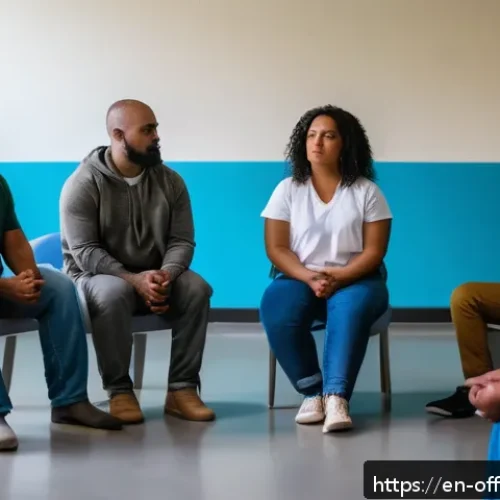
교도소 내 범죄 예방 프로그램 - **"Beyond the Classroom Walls: Learning and Growth in a Correctional Facility"**
    A diverse group...

Hey everyone! It’s your favorite blog influencer here, ready to dive headfirst into a topic that, while sometimes uncomfortable, is absolutely vital for the health of our communities: what exactly happens inside prison walls to genuinely prevent future crime?

We often focus on the punitive side, and rightly so, but I’ve been doing a ton of digging into the incredible work being done to help individuals truly turn their lives around.

From my perspective, it’s not just about locking people up; it’s about breaking cycles, and that means looking at effective rehabilitation. It’s a complex conversation, blending justice with compassion, and it’s constantly evolving.

With rising recidivism rates being a persistent challenge globally, the focus on smart, evidence-based crime prevention programs within correctional facilities has never been more critical.

I’ve noticed a real shift in public discourse, moving beyond simply punishment towards understanding the profound impact that educational, vocational, and therapeutic initiatives can have, not just on individuals but on society as a whole.

It’s about creating safer streets for all of us by equipping those who’ve stumbled with the tools they need to walk a different path. So, if you’ve ever found yourself wondering how our justice system is actually working to prevent repeat offenses and foster real, lasting change, you’re absolutely in the right place.

Let’s unearth the crucial details about these groundbreaking programs and discover how they’re truly shaping a safer tomorrow.

Beyond Punishment: The Transformative Power of Education Behind Bars

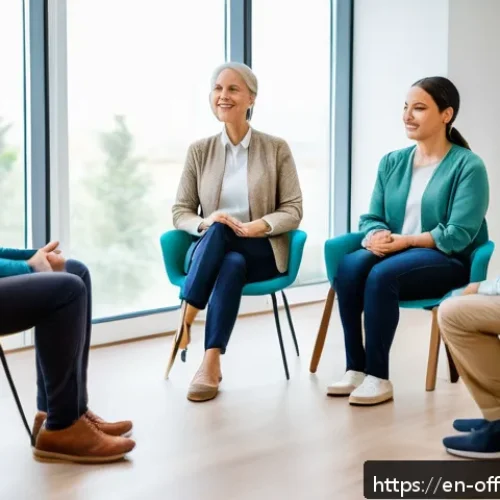
교도소 내 범죄 예방 프로그램 - **"Beyond the Classroom Walls: Learning and Growth in a Correctional Facility"**
    A diverse group...

You know, when we talk about what goes on inside correctional facilities, the image that often pops into our heads is purely about punishment. But from my deep dive into this world, I’ve realized that’s just one piece of a much larger, more hopeful puzzle. Education, in all its forms, is genuinely one of the most potent tools for change. It’s not just about passing time; it’s about igniting potential, sparking curiosity, and, most importantly, providing a pathway to a life beyond bars. Think about it: many individuals entering the system might have had interrupted schooling or never truly grasped the value of learning. Prison education programs step in to fill those critical gaps, offering everything from basic literacy to advanced degrees. I’ve heard stories that would warm your heart, tales of people discovering a love for literature or mastering math for the first time in their lives. It’s truly incredible to witness, even from afar, how a single class can shift someone’s entire perspective on what they’re capable of achieving.

Building Foundational Skills: GED and Literacy Programs

Starting with the basics, I’ve found that GED and adult literacy programs are absolutely foundational. For many, simply being able to read and write proficiently opens up a whole new world of opportunities they never had before. Imagine the empowerment of being able to read a book to your child, understand a job application, or even just read the news. These aren’t just academic achievements; they’re life skills that directly impact a person’s ability to navigate the outside world successfully. It’s about restoring a sense of dignity and self-worth, which is something we often overlook. When individuals gain these fundamental skills, their confidence skyrockets, and they start to believe in the possibility of a different future. I’ve learned that a solid educational foundation is often the first brick laid on the road to genuine rehabilitation and breaking cycles of crime.

Higher Learning and Vocational Pathways

But it doesn’t stop at the basics. Many facilities are now offering college-level courses and even full degree programs. This is where things get really exciting for me! The chance to earn an associate’s or bachelor’s degree while incarcerated can be a true game-changer. It provides not just knowledge, but also a credible resume builder and a genuine sense of accomplishment. Beyond traditional academics, vocational training is another superstar in the education lineup. We’re talking about practical skills like plumbing, welding, culinary arts, carpentry, and even computer programming. These aren’t just feel-good programs; they equip individuals with tangible, in-demand skills that translate directly into employment opportunities upon release. From my perspective, giving someone a skill they can use to earn a living wage is one of the most direct routes to preventing recidivism. It gives them a real shot at economic stability and a productive role in society.

Equipping for a New Chapter: Vocational Training That Works

Okay, let’s get real about one of the most practical and effective ways to help individuals avoid returning to old habits: vocational training. This isn’t just about teaching someone a hobby; it’s about providing concrete, marketable skills that lead to genuine employment. I’ve seen time and again that one of the biggest hurdles for people leaving prison is finding a stable job. Without that, the temptation to fall back into old patterns can be overwhelming. That’s why high-quality vocational programs are so incredibly vital. They bridge the gap between incarceration and employment, giving individuals a tangible pathway to self-sufficiency. It’s all about empowering them with the tools they need to stand on their own two feet, contribute to their communities, and build a legitimate future. From my experiences, these programs aren’t just about learning a trade; they’re about building confidence, instilling discipline, and creating a sense of purpose that might have been lost for years.

In-Demand Skills for a Seamless Transition

What really impresses me about modern vocational programs is their focus on in-demand industries. We’re not talking about outdated skills; we’re talking about training for jobs that are actually available in the job market. This includes everything from certifications in HVAC repair, electrical work, and construction trades, to more contemporary skills like coding, data entry, and even specialized manufacturing processes. The best programs have strong ties to local businesses and industry leaders, ensuring that the training provided is relevant and that there are potential employers waiting on the other side. This targeted approach is crucial. It means that when someone completes their program, they’re not just holding a certificate; they’re holding a ticket to a real job, with real wages. This foresight makes all the difference in ensuring a smoother transition back into society and significantly lowers the likelihood of someone re-offending.

The Entrepreneurial Spirit: Beyond Traditional Jobs

And here’s something I find incredibly inspiring: some facilities are even fostering an entrepreneurial spirit. Imagine learning not just a skill, but how to start your own small business! Programs focused on business fundamentals, marketing, and financial literacy can open up entirely new avenues. This isn’t just about securing a job; it’s about creating opportunities, not just for themselves but potentially for others too. I’ve heard about individuals who, after release, have used their culinary training to start catering businesses or their construction skills to launch their own contracting firms. This level of self-reliance is a powerful deterrent to future crime. It gives people ownership over their destinies and a profound reason to stay on the straight and narrow. When I hear about these successes, it truly reinforces my belief that investing in these practical, forward-thinking programs is an investment in safer communities for everyone.

Advertisement

Healing Minds, Mending Lives: Therapeutic Approaches in Corrections

Let’s shift gears a bit and talk about something incredibly close to my heart: the therapeutic side of rehabilitation. It’s not always about what you learn with your hands or even your mind, but what you heal within your heart and spirit. Many individuals in the correctional system have experienced profound trauma, mental health challenges, and addiction issues that often go unaddressed in the outside world. Ignoring these deep-seated issues means we’re only ever treating symptoms, not the root cause. Effective therapeutic programs within prisons aim to unpack these complex layers, offering a safe space for healing and growth. From my observations, it’s about helping people understand *why* they made certain choices, process their past, and develop healthier coping mechanisms for the future. It’s often a long and challenging road, but the transformation I’ve heard about and seen from individuals who engage deeply in these programs is nothing short of miraculous. It’s about rebuilding lives from the inside out.

Addressing Mental Health Challenges Head-On

Mental health support is absolutely paramount. We’re talking about everything from depression and anxiety to more severe conditions like PTSD and bipolar disorder. Many inmates arrive with undiagnosed or untreated mental health issues that played a significant role in their past behaviors. Comprehensive programs offer assessments, individual and group therapy, and, when necessary, medication management. These services are critical for stabilizing individuals and helping them develop strategies to manage their conditions. I’ve learned that creating a supportive environment where mental health is openly discussed and treated, rather than stigmatized, is a huge step forward. It allows individuals to truly engage in other rehabilitative efforts because they’re better equipped mentally and emotionally. It’s about recognizing that mental well-being is a fundamental component of a successful return to society.

Breaking the Chains: Substance Abuse Treatment

And then there’s addiction – a pervasive issue that often fuels the cycle of crime. High-quality substance abuse treatment programs, including detox, counseling, and peer support groups, are absolutely essential. These aren’t just about abstinence; they’re about understanding the triggers, developing relapse prevention strategies, and building a network of support. Many facilities are adopting “therapeutic community” models, where individuals live and work together in a structured environment, supporting each other’s recovery journeys. This communal approach fosters accountability and a sense of belonging, which are vital for long-term sobriety. I truly believe that by helping individuals conquer their addictions, we’re not just preventing future crimes; we’re giving them back their lives, allowing them to reconnect with their families and become productive members of society. It’s a testament to human resilience and the power of dedicated support.

The Ripple Effect: Mentorship and Community Reintegration

Beyond the walls, the journey of rehabilitation continues, and that’s where mentorship and community reintegration programs really shine. It’s not enough to equip someone with skills and therapy inside; the real test comes when they step back into the world. This transition can be incredibly daunting, filled with practical challenges and social pressures. That’s why having a solid support system and clear pathways for reintegration are absolutely non-negotiable for lasting success. From my perspective, these programs act as a crucial bridge, helping individuals navigate the complexities of life post-incarceration. It’s about ensuring they don’t just survive, but truly thrive, becoming valuable members of their communities. The ripple effect of one person successfully reintegrating is powerful, inspiring others and fostering a more understanding society.

Guidance Through Mentorship Programs

One of the most impactful elements I’ve discovered is the power of mentorship. Connecting individuals with positive role models, often volunteers from the community or even successful formerly incarcerated individuals, can make a monumental difference. Mentors offer guidance, emotional support, and practical advice on everything from finding housing and employment to managing finances and rebuilding relationships. I’ve heard incredible stories of mentors helping individuals navigate job interviews, understand public transportation, or simply be a consistent, trustworthy presence during a vulnerable time. This personal connection helps combat the isolation that many ex-offenders face and provides a vital link to the outside world. It’s about having someone in your corner who genuinely believes in your ability to succeed, which, let’s be honest, we all need sometimes.

Building Bridges Back to the Community

Community reintegration isn’t just a buzzword; it’s a carefully planned process. This includes programs that help with housing assistance, job placement services, and connecting individuals with social services like healthcare and transportation. Many organizations work specifically with employers who are open to hiring individuals with criminal records, breaking down a significant barrier to employment. I also believe that fostering community acceptance is key. Education campaigns and open dialogues can help reduce stigma and encourage communities to welcome returning citizens. When people feel accepted and supported, rather than ostracized, they are far more likely to engage positively and avoid falling back into old patterns. It’s a collective effort, requiring compassion and practical support from all corners of society, and it genuinely makes our communities safer.

Advertisement

Addressing the Root Causes: Tackling Addiction and Mental Health

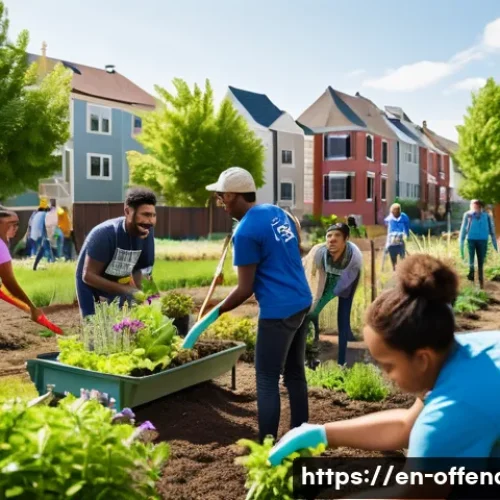
교도소 내 범죄 예방 프로그램 - **"Hands-On Skills for a New Future: Vocational Training Behind Bars"**
    A vibrant, active scene ...

Alright, let’s get down to the brass tacks of what often drives individuals into the criminal justice system in the first place: addiction and untreated mental health conditions. These aren’t just minor issues; they’re often the deep-seated roots of cyclical behaviors and societal challenges. It’s really tough to expect someone to fully rehabilitate and avoid future crime if these fundamental underlying issues aren’t addressed head-on with genuine care and expertise. From my perspective, ignoring these elements is like trying to fix a leaky faucet by just mopping up the water – you’re not solving the actual problem. The most effective correctional systems are those that prioritize comprehensive treatment for these complex, intertwined challenges, understanding that true crime prevention starts with healing the whole person. This is where compassion meets practicality, and the results can be truly life-changing for individuals and communities alike.

Integrated Treatment for Co-Occurring Disorders

One of the most powerful approaches I’ve seen is integrated treatment for what are called co-occurring disorders. This means addressing both mental health issues and substance abuse simultaneously, recognizing that they often fuel each other. It’s not about treating one and then the other; it’s about a holistic approach that acknowledges their interconnectedness. Programs often combine individual therapy, group counseling, cognitive behavioral therapy (CBT), and medication-assisted treatment (MAT) for opioid and alcohol dependency. I’ve learned that this integrated model is far more effective than siloed approaches because it helps individuals understand how their mental state impacts their cravings, and vice-versa. It provides a more robust toolkit for managing triggers and developing healthier coping mechanisms, which is absolutely vital for long-term recovery and crime prevention.

Long-Term Support and Aftercare Planning

But the treatment doesn’t end at the prison gates. Crucial to success is robust long-term support and meticulous aftercare planning. This includes connecting individuals with outpatient therapy, peer support groups like Narcotics Anonymous or Alcoholics Anonymous, and community mental health services upon release. The transition period is often the most vulnerable, and having a pre-established network of support can make all the difference. I’ve realized that continuity of care is paramount; it’s like building a strong foundation and then ensuring the house is properly maintained. Without ongoing access to treatment and support, the risk of relapse and recidivism dramatically increases. Investing in these continuous support systems is not just an act of compassion; it’s a smart strategy for public safety and fostering lasting positive change in individuals’ lives.

Building Bridges: Family Connections and Support Systems

Let’s talk about something incredibly human and often underestimated in the realm of rehabilitation: the power of family and maintaining those crucial connections. You know, it’s easy to focus solely on the individual within the prison walls, but we often forget the entire support network, or lack thereof, waiting outside. From my perspective, strong family ties are like an anchor for individuals navigating the challenges of incarceration and reentry. They provide emotional support, a sense of belonging, and a powerful incentive to stay on the right path. When those connections are nurtured and strengthened, it creates a much more stable foundation for success after release. It’s not just about visits; it’s about rebuilding trust, fostering communication, and preparing families for the complexities of reintegration. This truly is about breaking generational cycles and healing entire family units.

Fostering Healthy Family Communication

Many facilities are now implementing programs specifically designed to foster healthy family communication. This isn’t always easy, especially after periods of strained relationships or a breakdown of trust. Programs might include parenting classes for incarcerated parents, family therapy sessions, and enhanced visitation opportunities that go beyond a sterile visiting room. Think about programs that allow parents to read bedtime stories to their children over video calls, or special family days with more relaxed interactions. I’ve heard countless stories about how these initiatives help parents reconnect with their children, understand their roles better, and actively participate in their kids’ lives, even from a distance. These connections are incredibly motivating for individuals to pursue rehabilitation seriously, as they provide a tangible reason to work towards a better future for their loved ones and themselves.

Preparing Families for Reintegration Challenges

It’s also vital to prepare families for the realities of reintegration. The return of an incarcerated family member can bring its own set of challenges, from financial adjustments to emotional dynamics. Support groups and educational workshops for family members can help them understand what to expect, how to best support their loved one, and where to find community resources. This proactive approach helps to mitigate potential stressors and build a stronger, more resilient support system. From my point of view, a stable, understanding family environment is one of the most significant protective factors against recidivism. When families are equipped to handle the transition together, the chances of long-term success skyrocket. It truly underscores that rehabilitation is not a solo journey but a collective effort involving individuals, institutions, and their most intimate support networks.

Advertisement

Measuring Success: What Does Effective Rehabilitation Actually Look Like?

When we talk about all these incredible programs and initiatives, the big question always comes back to: how do we know they’re actually working? It’s not enough to just *hope* for change; we need to measure it, analyze it, and continually refine our approaches. From my perspective, measuring the success of rehabilitation is about far more than just counting who comes back to prison. It’s a nuanced process that looks at a range of outcomes, both quantitative and qualitative, to truly understand the impact these programs have on individuals and society. We’re talking about real people’s lives, so getting this right is absolutely critical. It’s about ensuring that the significant investment in these programs yields tangible, positive results, making our communities safer and more just for everyone.

Key Metrics Beyond Recidivism Rates

While recidivism – the rate at which individuals re-offend and return to prison – is a crucial metric, it’s not the only one. We also need to look at employment rates post-release, educational attainment (like earning a GED or a college degree), successful completion of treatment programs, and stable housing situations. These are all powerful indicators of successful reintegration and a reduced likelihood of re-offending. For me, seeing someone get and keep a job, or finally connect with their family in a healthy way, speaks volumes about a program’s effectiveness. It’s about looking beyond just the absence of crime to the presence of positive life outcomes. This holistic view gives us a much clearer picture of what truly works and where we need to improve. It’s about celebrating small victories that accumulate into significant life changes.

Long-Term Impact and Community Safety

Ultimately, the true measure of success lies in the long-term impact on individuals and, by extension, on overall community safety. Are these programs creating individuals who are not just *not* re-offending, but are actively contributing to society? Are they becoming responsible parents, engaged citizens, and productive members of the workforce? These are the questions we need to ask. It’s about seeing a reduction in crime rates, but also an increase in social cohesion and economic participation from formerly incarcerated individuals. I believe that when we invest wisely in evidence-based rehabilitation, we’re not just preventing future crimes; we’re investing in the human potential of every individual and strengthening the fabric of our communities. It’s a win-win situation where compassion and smart policy lead to safer, healthier societies for us all.

Program Type Key Benefits for Rehabilitation Impact on Recidivism
Educational Programs (GED, College) Improved literacy, critical thinking, self-worth, and access to higher-paying jobs. Significantly lowers re-offense rates by increasing employment opportunities and cognitive skills.
Vocational Training (Trades, Tech) Acquisition of marketable skills, direct pathways to employment, economic stability, and self-sufficiency. Reduces re-offending by ensuring job readiness and legitimate income sources upon release.
Substance Abuse Treatment Addresses root causes of addiction, develops coping mechanisms, and prevents relapse into drug-related crime. Proven to decrease criminal behavior directly linked to substance dependency.
Mental Health Services Stabilizes mental health conditions, provides therapeutic support, and helps manage emotional triggers. Lowers re-offense risk by improving overall well-being and decision-making capabilities.
Family Reintegration Programs Strengthens family bonds, provides social support networks, and motivates positive behavior changes. Offers crucial emotional and practical support, reducing the likelihood of isolation and return to crime.

Wrapping Things Up

So, as we bring this discussion to a close, I truly hope you’ve walked away with a more nuanced understanding of what effective rehabilitation really means. It’s far more than just “time served”; it’s a deeply human process of growth, learning, and profound personal change. From the foundational literacy programs that open up new worlds to high-level vocational training that builds careers, and from the critical mental health support to the invaluable bonds of family and community, every single piece plays a vital role. My own journey through researching these topics has reinforced my belief that investing in these pathways isn’t just an act of compassion; it’s a smart investment in safer communities and a more just society for all of us. When we empower individuals to transform their lives, the ripple effect benefits everyone. It’s about igniting hope and demonstrating that second chances are not just possible, but powerful.

Advertisement

Handy Tips You Might Find Useful

1. Explore Local Volunteer Opportunities: Many organizations are doing incredible work in supporting individuals transitioning from incarceration. A quick search for “reentry programs near me” or “prison support charities” can connect you with local groups that often need volunteers for mentorship, job readiness, or administrative tasks.

2. Advocate for Evidence-Based Policies: Understanding what truly works in rehabilitation (like education and vocational training reducing recidivism by a significant margin) can help you advocate for policies that prioritize these proven methods.

3. Support Ethical Employers: Look for and support businesses that actively hire formerly incarcerated individuals. These employers are making a tangible difference in breaking down barriers to employment and promoting successful reintegration. Many non-profits, like Goodwill Industries and The Salvation Army, also offer job training and employment services.

4. Educate Yourself and Others: Challenge common misconceptions about incarceration and rehabilitation. Sharing accurate, hopeful information helps reduce stigma and fosters a more welcoming environment for returning citizens, which is crucial for their long-term success.

5. Consider Donating to Focused Non-Profits: Charities like The Fortune Society, Safer Foundation, and the Anti-Recidivism Coalition provide essential services such as housing, employment assistance, mental health support, and legal aid. Your financial contribution can directly impact their ability to offer these life-changing programs.

Key Takeaways to Remember

What I’ve really taken to heart throughout this exploration is that true rehabilitation is a comprehensive, ongoing process, not a one-time fix. It hinges on providing robust educational opportunities, from basic literacy to advanced vocational skills, coupled with essential mental health and substance abuse treatments. Crucially, it also requires building and maintaining strong support systems, including family connections and community reintegration programs that offer everything from housing assistance to job placement. When we invest in these interconnected pillars, we’re not just helping individuals; we’re actively creating safer communities, fostering economic stability, and upholding the fundamental belief in everyone’s capacity for positive change. It’s a journey that demands patience, resources, and a collective commitment, but the payoff in human potential and societal well-being is immeasurable.

Frequently Asked Questions (FAQ) 📖

Q: What types of rehabilitation programs are actually making a difference in preventing future crime?

A: You know, it’s a question I’ve pondered a lot, and from everything I’ve seen and researched, the programs that truly hit home are those that go beyond just locking people up.
We’re talking about initiatives designed to tackle the why behind criminal behavior, not just the act itself. Cognitive Behavioral Therapy (CBT) is a huge one, a real game-changer.
It helps individuals literally rewire their thinking, challenging those old patterns that lead to trouble and replacing them with healthier ways of processing situations.
Then there are the vital substance abuse treatment programs; for many, addiction is a massive driver, and breaking that cycle is absolutely critical for future success.
Anger management courses also play a significant role in helping people learn to handle their emotions constructively instead of destructively. But honestly, the ones that really stand out to me as laying a foundational path for a new life are the educational and vocational training programs.
Whether it’s earning a GED, pursuing higher education, or learning a marketable trade like welding or carpentry, these programs equip individuals with tangible skills and a sense of purpose.
It’s about addressing those deep-seated needs and giving people real tools to build a different, better life.

Q: How do these programs specifically help individuals avoid reoffending once they’re released?

A: That’s the million-dollar question, isn’t it? It’s not enough to just offer programs; they have to actually work when someone steps back into the world.
What I’ve found is that the most effective strategies focus on a holistic change—it’s not just about one skill, but a complete transformation. When someone goes through CBT, they’re not just getting therapy; they’re learning how to identify triggers and make different choices, literally changing their internal dialogue.
Substance abuse treatment provides strategies and support systems to maintain sobriety, which is often the biggest hurdle to a stable life. And vocational training?
Oh my goodness, this is so powerful! It provides marketable skills that lead to real employment opportunities, something many individuals entering prison might never have had.
A job means stable income, a sense of contribution, and less desperation, which are all huge factors in preventing a return to crime. Beyond that, many programs incorporate crucial life skills—financial literacy, communication, even parenting—things that help individuals navigate the complexities of daily life outside prison walls.
It’s about building self-worth, giving them a reason to choose a different path, and equipping them to successfully reintegrate into society. It’s about changing a mindset, not just a behavior.

Q: Is there a strong connection between education/job training in prison and lower recidivism rates?

A: Absolutely, without a doubt! From my perspective, this is one of the most compelling and evidence-backed aspects of prison rehabilitation. The research is incredibly clear: when inmates participate in educational and vocational training programs, they are significantly less likely to end up back in prison.
We’re talking about studies showing reductions in reoffending rates by as much as 43% for those who engage in these programs. Think about it—it just makes sense!
Someone who leaves prison with a high school diploma, a college certificate, or a trade skill like plumbing or electrical work immediately has a vastly improved chance of securing legitimate employment.
This isn’t just about earning a paycheck; it’s about stability, self-sufficiency, and rebuilding a life with purpose. When individuals can find stable jobs, they’re less likely to fall back into criminal activities out of desperation or lack of alternatives.
It’s also a massive win for taxpayers, by the way. Reports suggest that every dollar invested in prison education can save up to four or five dollars in re-incarceration costs down the line.
So yes, the connection is incredibly strong, and it benefits everyone involved—the individuals themselves, their families, and our communities by creating safer streets and more productive citizens.

Advertisement