
Have you ever found yourself wondering about the unseen battles fought in the courtroom, beyond the flashy legal dramas? It’s not just about evidence and arguments; there’s a profound, often heartbreaking, human story at the core of every criminal case.
What truly compels someone down a path that leads to such serious consequences? This is where the intricate and critically important world of mental health evaluations for criminal offenders steps in.
It’s a deep dive into the human psyche, aiming to understand the ‘why’ behind actions, assess mental states, and ultimately help the justice system navigate these incredibly complex waters.
As our understanding of mental health evolves, so does this pivotal process, blending psychology with the cold realities of legal proceedings. Let’s explore exactly what happens when the mind itself goes on trial.
Unpacking the Mind’s Role in the Legal Labyrinth
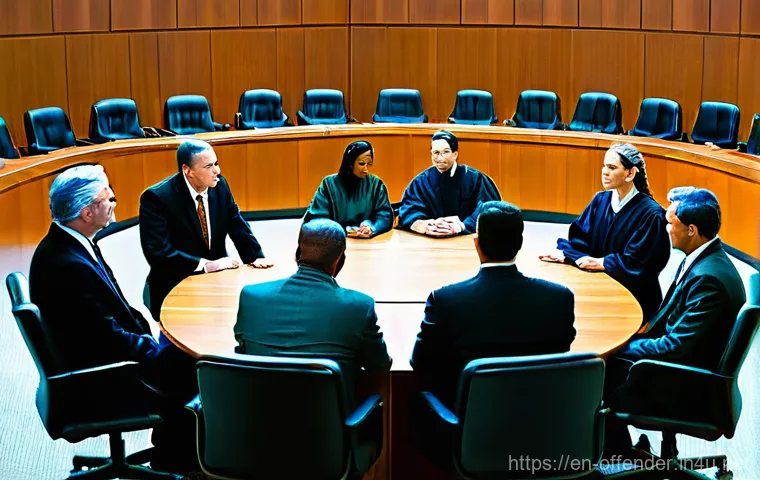
Stepping into a courtroom, you might imagine a clear-cut battle of right versus wrong, of evidence versus denial. But for those of us who peer deeper, past the dramatic exchanges and into the very core of human behavior, things get infinitely more complex. It’s not always about malice; sometimes, it’s about a mind battling itself, caught in a devastating storm. When mental health challenges collide with the criminal justice system, it creates a profoundly intricate scenario where the traditional scales of justice suddenly need recalibrating. I’ve spent years observing, learning, and frankly, feeling a deep empathy for the sheer weight of these cases. It’s a journey that often begins not with an arrest, but with a plea for understanding, a recognition that perhaps the ‘why’ behind an action is rooted in something far beyond simple intent. Forensic psychiatrists and psychologists are the unsung heroes here, delving into the human psyche to decipher the intricate relationship between mental state and alleged criminal behavior. It’s an evaluation process that tries to make sense of what can feel like senseless acts, providing crucial context for judges and juries navigating these incredibly difficult waters. They’re tasked with translating the complex world of the mind into language the legal world can understand, and believe me, that’s no small feat. The stakes couldn’t be higher, impacting not just an individual’s freedom but their entire future. It’s truly where the mind itself goes on trial, and it’s a battle that demands every ounce of expertise and compassion.
The Silent Witnesses: What Triggers an Evaluation?
You might be wondering, how does this whole mental health evaluation thing even kick off in a criminal case? Well, it’s rarely a random occurrence. Typically, concerns about a defendant’s mental state are raised by defense attorneys, prosecutors, or even the judge themselves if they observe behavior that seems out of the ordinary or inconsistent with understanding the proceedings. Think about it: if someone can’t grasp the charges against them, or work effectively with their lawyer, how can they possibly receive a fair trial? That’s where these evaluations become absolutely critical. They’re not just about finding an excuse; they’re about ensuring justice, protecting rights, and providing a foundation for informed decisions. It’s a formal request to bring in the experts, the forensic psychologists and psychiatrists who specialize in this unique intersection of law and mental health. I’ve seen firsthand how a lawyer, with a gut feeling that something is deeply wrong, can initiate this vital step, shifting the focus from immediate judgment to genuine inquiry. It’s a pause in the often-rapid pace of the legal system, a moment to ask, “Is this person truly capable of participating in what’s happening to them?”
Bridging Worlds: The Role of Forensic Experts
The specialists who conduct these evaluations are truly remarkable. They’re not just therapists; they’re essentially translators, taking the nuanced language of psychology and converting it into something that fits the rigid framework of legal definitions. Their role is multifaceted, ranging from assessing a defendant’s current mental state to reconstructing their state of mind at the time of an alleged offense. This requires an incredible depth of knowledge, not just in psychology but in legal statutes and precedents. They review every scrap of available information: police reports, medical histories, witness statements, and conduct extensive interviews with the defendant themselves, sometimes over many sessions. It’s like piecing together a complex puzzle, with each piece offering a potential clue to the defendant’s mental landscape. From my own observations, these experts often carry a heavy burden, knowing that their findings can literally mean the difference between prison and a psychiatric hospital, or even influence the severity of a sentence. Their objectivity and thoroughness are paramount, as they serve as independent voices of expertise for the court, providing insights that laypeople, including judges and juries, simply aren’t equipped to discern on their own. It’s a job that requires both a sharp scientific mind and a profound understanding of human suffering.
Competency: Understanding if a Defendant Can Even Stand Trial
Okay, let’s dive into one of the most fundamental aspects of mental health in the courtroom: competency. This isn’t about whether someone is “guilty” or “innocent” of the crime itself. No, competency is all about their *current* ability to understand the legal proceedings they’re facing and to actively assist their attorney in their own defense. Imagine trying to explain complex legal jargon to someone who genuinely believes they’re communicating with aliens or that their lawyer is secretly plotting against them. It’s an impossible task, right? That’s why this evaluation is so crucial. The legal system operates on the premise that defendants must be able to understand what’s happening, otherwise, how can we say the trial is fair? I’ve learned that simply having a mental illness doesn’t automatically mean someone is incompetent. The key is whether that illness impairs their ability to participate meaningfully in their own defense. It’s a nuanced assessment that forensic experts take incredibly seriously, as it directly impacts due process and the very integrity of our justice system. I often think about the profound isolation a person must feel if their own mind prevents them from comprehending the gravity of their situation. This is where the legal system attempts to inject a much-needed layer of humanity and protection.
The “Dusky Standard”: A Legal Cornerstone
In the U.S., the standard for competency to stand trial is often referred to as the “Dusky Standard,” stemming from the landmark Supreme Court case of Dusky v. United States (1960). It essentially dictates two main criteria: first, does the defendant have a factual and rational understanding of the proceedings against them? And second, do they have the present ability to consult with their lawyer with a reasonable degree of rational understanding, and assist in their defense? It’s a high bar, and for good reason. Think about how confusing legal proceedings can be even for someone without mental health challenges! Now imagine adding a severe mental illness like schizophrenia or profound intellectual disability to that mix. These evaluations delve into various aspects of understanding: the charges, the potential penalties, the roles of the judge, jury, and attorneys, and the nature of the adversarial system. I’ve heard experts describe it as assessing a person’s cognitive and volitional capacity within a legal context. It’s not just about knowing facts; it’s about *processing* and *using* those facts in a coherent, self-serving way. If a defendant can’t do that, the trial simply can’t move forward.
Restoring Competency: When a Pause is Necessary
So, what happens if a defendant is found incompetent to stand trial? Does the case just disappear? Not usually. The court will typically order that the individual undergo treatment in an effort to “restore” their competency. This often involves medication, therapy, and specialized educational programs designed to help them understand the legal process. I’ve personally felt a sense of both relief and apprehension when I hear about these situations. Relief, because it means the system is attempting to address the underlying mental health issues; apprehension, because the road to restoration can be long and challenging. Facilities like state hospitals, specifically those with forensic units, play a critical role here. The goal isn’t to force a confession or change their plea, but to bring them to a point where they can genuinely engage in their own defense. If, after a reasonable period, competency cannot be restored, the court may have to consider other options, including civil commitment or even dismissing the charges, especially in less severe cases. It’s a delicate balance between public safety and individual rights, constantly reminding us that mental health isn’t a sidebar in justice; it’s often the main story.
The Insanity Defense: A Glimpse into the ‘Guilty Mind’ Question
Now, this is where things often get confused with competency, but let me tell you, they are fundamentally different. While competency looks at a defendant’s mental state *during* the trial, the insanity defense scrutinizes their mental state *at the time the crime was committed*. It asks a profound, almost philosophical question: can we truly hold someone criminally responsible if, due to a severe mental disease or defect, they didn’t understand what they were doing was wrong, or couldn’t control their actions? This isn’t a “get out of jail free” card, despite how it’s often portrayed in movies. In reality, successfully mounting an insanity defense is incredibly rare, used in only about 1% of felony cases, and successful in only a fraction of those. I remember talking to a forensic psychiatrist once who described it as trying to reconstruct a moment in time, a snapshot of a person’s mind under unimaginable duress or delusion. It’s a painstaking process, far more complex and stringent than most people realize. When I hear discussions about accountability, I always emphasize that this defense isn’t about excusing behavior, but about understanding the profound limitations a severe mental illness can impose on a person’s capacity for criminal intent. It challenges our very notion of what it means to be ‘culpable’.
M’Naghten and Beyond: Defining Legal Insanity
The legal definitions of insanity vary by jurisdiction, but many stem from the foundational “M’Naghten Rule” established in England in 1843. This rule essentially states that for a defendant to be found insane, it must be proven that at the time of committing the act, they were suffering from a defect of reason, from a disease of the mind, which meant they didn’t know the nature and quality of the act they were doing, or if they did know it, they didn’t know that what they were doing was wrong. Some jurisdictions have expanded on this, incorporating a “volitional limb” that considers whether the defendant, despite knowing an act was wrong, was unable to control their behavior due to mental illness. This is a critical distinction that can significantly alter a defense strategy. When an expert conducts an insanity evaluation, they are not just diagnosing a mental illness; they are specifically assessing how that illness impaired the defendant’s cognitive and/or volitional capacities *at the exact moment of the offense*. It’s an exercise in intricate psychological forensics, often relying on detailed accounts from the defendant, witness statements, and a deep dive into their mental health history. I can only imagine the difficulty of trying to accurately pinpoint a state of mind from the past, especially when memories can be fragmented or distorted by illness or trauma.
The Outcome: Treatment, Not Freedom
A successful insanity defense doesn’t mean a defendant walks free. Quite the opposite, in fact. If found “not guilty by reason of insanity” (NGRI), the individual is typically committed to a secure psychiatric facility for treatment, often for an indeterminate period. This commitment can sometimes be longer than a potential prison sentence for the same crime, highlighting that society’s focus shifts from punishment to public safety and rehabilitation. I’ve seen how this outcome can be misunderstood, with many believing it’s a loophole. But from what I’ve gathered, it’s a recognition that incarceration isn’t the appropriate response for someone whose actions were driven by a profound mental disorder, rather than criminal intent in the traditional sense. The goal is to provide necessary mental health care, reduce the risk of future harm, and, hopefully, facilitate recovery. These individuals undergo regular evaluations by review boards to determine if and when they can be safely transitioned back into society, sometimes under strict conditions. It’s a testament to a legal system grappling with the complexities of the human mind, striving for justice that is both punitive and compassionate.
Beyond the Verdict: How Mental Health Shapes Sentencing
Even if the insanity defense isn’t on the table and competency isn’t an issue for trial, a defendant’s mental health can still dramatically influence what happens *after* a conviction. This is where the legal system attempts to be more nuanced, recognizing that mental health conditions are often mitigating factors that can explain, though not excuse, criminal behavior. I’ve always felt that ignoring these underlying issues is a disservice to justice, because it fails to address the root causes that might lead someone into repeated conflict with the law. Judges increasingly consider how mental illness contributed to the crime, not just in terms of intent, but in terms of impaired judgment, impulse control, or a skewed perception of reality. It’s a critical point where the punitive aspects of the law start to blend with a more therapeutic approach, seeking outcomes that promote both accountability and rehabilitation. My personal take is that this shift is essential for a truly effective justice system; simply locking people up without addressing their mental health often creates a revolving door, which helps no one in the long run. It’s about tailoring justice to the individual, acknowledging that a one-size-fits-all approach simply doesn’t work when dealing with the complexities of the human mind.
Mitigating Factors and Alternative Paths
Mental health evaluations at the sentencing phase are designed to give the court a comprehensive picture of the defendant’s psychological state, history, and how these factors might have influenced their actions. This information can serve as a powerful mitigating factor, potentially leading to a more lenient sentence than might otherwise be imposed. Instead of traditional incarceration, courts might consider alternative sentencing options, such as probation coupled with mandatory mental health treatment, substance abuse programs, or even diversion into specialized mental health courts. These alternatives aim to break the cycle of crime by addressing the underlying mental health issues, rather than just punishing the behavior. I’ve seen some truly inspiring cases where individuals, given the right support through these programs, have turned their lives around. It’s a recognition that sometimes, what a person truly needs isn’t a harsher sentence, but intensive, focused care. The goal is to promote rehabilitation, reduce recidivism, and ultimately, enhance public safety by tackling the causes, not just the symptoms, of criminal behavior. It’s a more hopeful path, I believe, for both the individual and the community.
Specialized Facilities and Long-Term Care
For defendants with severe mental health issues, sentencing might involve placement in specialized psychiatric facilities rather than standard prisons. This ensures they receive appropriate treatment while serving their sentence, a crucial distinction that acknowledges their specific needs. I think this is a vital part of a humane justice system; simply putting someone with severe psychiatric needs into a general prison population often exacerbates their condition and can be incredibly damaging. Furthermore, mental health evaluations can influence decisions regarding parole and probation, determining the conditions and level of supervision necessary to support an individual’s continued recovery and reintegration into society. It’s a continuous, evolving process, not a one-time assessment. The long-term implications are enormous, impacting not only the individual’s future but also the safety and well-being of the community. It really drives home the point that mental health care within the criminal justice system isn’t just a kindness; it’s a strategic necessity for creating better outcomes for everyone involved. It’s about building a bridge back to a productive life, rather than constructing higher walls.
The Human Factor: Ethical Tightropes and Real-World Challenges
Working at the intersection of law and mental health is incredibly rewarding, but it’s also fraught with unique challenges and ethical dilemmas. I’ve heard countless stories from forensic psychologists and psychiatrists who often feel like they’re walking a tightrope, balancing their professional duties with the profound human element of each case. It’s not just about applying scientific knowledge; it’s about navigating complex moral waters where individual rights, public safety, and the demands of the legal system can sometimes seem to pull in different directions. My own observations have taught me that these professionals face immense pressure, and their objectivity is constantly tested. It’s a field that demands not just expertise, but an unwavering commitment to ethical practice, something that’s harder than it sounds when dealing with people’s lives on the line. I often think about how much courage it must take to stand in a courtroom and present findings that you know will dramatically alter someone’s future, knowing that every word carries immense weight.
Navigating Dual Loyalties and Confidentiality
One of the biggest ethical tightropes for mental health professionals in the legal system is the concept of “dual loyalty”. Unlike a traditional therapist-patient relationship where the clinician’s sole loyalty is to the patient’s well-being, forensic evaluators serve the court. This means that the information they gather, even if deeply personal, isn’t strictly confidential in the same way it would be in a therapy session. Imagine a defendant confiding something in an evaluation that could be detrimental to their case – the evaluator has a duty to report relevant findings to the court. This creates a fascinating and often challenging dynamic. Obtaining genuine, informed consent in environments like prisons or court-mandated programs can also be incredibly difficult, as the individual might not feel they have a true choice. I’ve seen how professionals grapple with explaining these limitations upfront, trying to foster trust while being transparent about the boundaries of confidentiality. It’s a testament to their dedication that they manage to conduct thorough, unbiased assessments under such demanding circumstances. It really highlights the unique ethical landscape they operate within, far removed from a typical clinical setting.
Bias, Standardization, and Cultural Nuances
Another significant challenge lies in the potential for bias and the ongoing struggle for standardized evaluation tools. Forensic assessments need to be objective, but human judgment, however expert, can be influenced. There’s a constant push to ensure that assessment protocols and instruments are reliable and scientifically valid across different populations. Beyond that, cultural bias is a very real concern. Evaluation tools might be normed on specific populations, and cultural differences can sometimes be misinterpreted as psychological symptoms, leading to inaccurate assessments. I’ve come to understand that forensic psychologists must be acutely aware of how discrimination and systemic oppression can affect an examinee’s presentation and the evaluation process itself. This means considering factors like acculturation, language barriers, and the impact of racism on mental health. It’s a constant learning process for the field, striving to improve justice and equity for everyone involved in the legal system, especially those from marginalized communities. As an influencer, I believe it’s vital to shine a light on these complex issues, encouraging a more informed and equitable approach to mental health in our courts.
Bridging the Gap: The Promise of Mental Health Courts
Amidst all the complexities and challenges, there’s a beacon of hope emerging in many communities: mental health courts. These specialized court systems are designed specifically to divert individuals with mental illnesses from the traditional criminal justice pipeline and into treatment programs, aiming to support recovery and reduce recidivism. It’s a recognition that for many, simply locking them up isn’t solving the problem; it’s often making it worse. I’ve heard inspiring stories of individuals who, once caught in a destructive cycle, have found stability and purpose through these programs. It’s a testament to the power of addressing underlying issues rather than just punishing symptoms. My own take? This is a fundamental shift in how we approach justice, moving towards a more therapeutic and rehabilitative model for certain offenders. It says, “We see your struggle, and we want to help you heal, not just punish you.” It’s an approach that reflects a growing understanding in society that mental health isn’t a personal failing, but a condition that requires care and support, especially when it intersects with the law.
A Collaborative Approach to Justice
What makes mental health courts so effective is their collaborative nature. They bring together a multidisciplinary team including judges, prosecutors, defense attorneys, and mental health professionals, all working towards a common goal: the defendant’s recovery and successful reintegration into the community. This team approach means that each participant receives a comprehensive assessment to develop an individualized treatment plan tailored to their specific mental health needs. I’ve found it fascinating how judges in these courts often take on a more supervisory, almost mentoring, role, regularly monitoring participants’ progress. They use a mix of incentives for compliance and sanctions for violations, creating a structured yet supportive environment. It’s a world away from the adversarial nature of a typical courtroom, fostering a sense of shared responsibility for the individual’s well-being. This collaborative spirit, in my opinion, is the secret sauce that makes these courts so promising. It’s a human-centered approach that prioritizes healing alongside accountability, and it’s truly making a difference in people’s lives.
Long-Term Impact and Reduced Recidivism
The long-term impact of mental health courts is significant. By linking individuals to tailored treatment and ongoing supervision, these programs aim to address the root causes of criminal behavior, ultimately reducing the likelihood of repeat offenses. This focus on rehabilitation over punishment not only benefits the individual by offering a path to stability but also enhances public safety by reducing crime rates. I recall reading about studies showing how these courts can lead to lower recidivism rates compared to traditional justice pathways. It’s not just a feel-good initiative; it’s an evidence-based approach that works. Of course, it’s not without its challenges, including funding and resource allocation, but the growing recognition of their effectiveness is undeniable. As someone passionate about positive change, I believe expanding and supporting mental health courts is one of the most impactful ways we can reform our criminal justice system, building healthier communities one life at a time. It’s about investing in people, not just prisons, and that’s a philosophy I can wholeheartedly stand behind.
The Evolving Landscape of Forensic Assessment Tools
The field of forensic mental health is constantly evolving, and a big part of that evolution lies in the tools and methodologies used to assess a defendant’s mental state. Gone are the days when a simple interview might suffice. Today, forensic psychologists and psychiatrists utilize a sophisticated array of instruments to gather the most accurate and comprehensive picture possible. I’ve had the chance to learn about some of these methods, and it’s truly remarkable how much thought and scientific rigor goes into them. It’s about moving beyond subjective impressions and striving for data-driven insights that can stand up to the intense scrutiny of a courtroom. However, this isn’t without its challenges; the development and standardization of these tools is an ongoing process, and experts must continuously evaluate their validity and appropriateness for each unique case. It’s a dynamic area where science and legal demands are always pushing each other forward, all in the pursuit of a more just outcome. As an influencer who values accuracy, I think it’s crucial for my audience to understand that these aren’t just guesses; they’re informed, systematic inquiries.
From Clinical Interviews to Psychological Testing
A comprehensive forensic mental health assessment typically begins with extensive clinical interviews with the defendant. These interviews are far more structured and legally informed than a typical therapeutic conversation, focusing on specific legal questions related to competency, criminal responsibility, or risk assessment. Beyond interviews, forensic experts often employ a battery of psychological tests. These can include cognitive assessments to evaluate intellectual functioning, memory, and attention, which are crucial for determining competency to understand legal proceedings. Personality assessments and symptom inventories help identify underlying mental health conditions, such as schizophrenia, bipolar disorder, or severe depression, that might impact a person’s behavior or perception. Reviewing past medical and psychiatric records is also paramount, providing a longitudinal view of the individual’s mental health history. It’s about painting a complete picture, looking at both the immediate situation and the historical context. I’ve learned that the combination of these methods provides a robust framework, helping to ensure that the evaluations are as thorough and unbiased as possible. The goal is to provide objective evidence, even when the subject matter is inherently subjective.
Understanding the Different Types of Evaluations
To help you visualize the different types of mental health evaluations commonly conducted in criminal cases, I’ve put together a quick table. This isn’t exhaustive, of course, but it covers the main categories you’ll often hear discussed. Each type serves a distinct legal purpose, and forensic experts are specifically trained to conduct these with precision and adherence to legal standards. I think it’s incredibly helpful to see them laid out like this, as it clarifies why and when each evaluation might be ordered by the court. It shows just how specialized this field is, and how many different angles need to be considered when mental health comes into play in a criminal case.
| Evaluation Type | Primary Legal Question Addressed | Focus & Purpose |
|---|---|---|
| Competency to Stand Trial | Is the defendant currently able to understand the charges and assist their attorney? | Assesses present mental capacity to participate in legal proceedings; aims to ensure a fair trial. |
| Criminal Responsibility (Insanity Defense) | Was the defendant able to distinguish right from wrong or control their actions at the time of the offense due to mental illness? | Examines mental state at the time of the alleged crime; determines culpability. |
| Sentencing/Mitigation Assessment | How does the defendant’s mental health influence appropriate sentencing options? | Provides context for criminal behavior; identifies mitigating factors and rehabilitation needs. |
| Risk Assessment | What is the likelihood of future dangerousness or re-offending? | Evaluates potential for future harmful behavior; informs decisions about release, parole, or supervision. |
Each of these evaluations plays a vital, distinct role in ensuring that justice is administered thoughtfully and effectively, especially when the intricacies of the human mind are on trial. I truly believe that understanding these distinctions is key to appreciating the profound impact mental health professionals have in our legal system. It’s a field that demands constant learning and adaptation, always striving for greater accuracy and fairness.
Beyond Incarceration: Emphasizing Treatment and Rehabilitation
In the past, the criminal justice system often defaulted to a punitive approach, seeing incarceration as the primary, and often sole, solution for criminal behavior. However, our understanding of human behavior, especially regarding mental health, has evolved dramatically. We’re increasingly recognizing that for many individuals, simply being locked away doesn’t address the underlying issues that led to their involvement with the law in the first place. I’ve personally felt a profound sense of relief watching this shift, knowing that there’s a growing movement to prioritize treatment and rehabilitation. It’s not about being soft on crime; it’s about being smart about justice. When you think about it, if a significant portion of the incarcerated population has diagnosable mental illnesses, ignoring those conditions is not just inhumane, it’s inefficient and ultimately harmful to society. We’re seeing a growing consensus that real public safety comes not just from punishment, but from preventing future offenses through effective intervention and support. This is where mental health evaluations become incredibly powerful, guiding decisions towards outcomes that offer a genuine chance at breaking destructive cycles.
The Cost of Inaction: Why Treatment Matters
Consider the immense societal cost of *not* addressing mental health issues within the criminal justice system. We’re talking about higher recidivism rates, overcrowded correctional facilities, and a perpetuation of cycles of poverty and crime. For me, it’s a no-brainer: investing in mental health treatment isn’t just an ethical imperative, it’s an economic and social one. When individuals receive appropriate care—whether it’s medication, therapy, or specialized programs—they have a far greater chance of stabilizing their lives, becoming productive members of society, and avoiding future brushes with the law. I’ve always believed that every person deserves the opportunity to heal and to turn their life around, and for those with mental health challenges, that opportunity often hinges on accessible, effective treatment. It’s a proactive approach that benefits everyone, from the individual defendant to the broader community. The goal isn’t just to punish, but to repair, to restore, and to prevent, and that’s a mission I can truly get behind.
Community Integration and Ongoing Support
Successful rehabilitation rarely ends when someone walks out of a correctional or treatment facility. A critical component is ongoing support and successful reintegration into the community. This often involves connecting individuals with housing, employment opportunities, and continued mental health services. I think this phase is often overlooked, but it’s absolutely vital. Without a robust support system, the risk of relapse or re-offending remains high. Forensic mental health professionals play a role here too, often conducting risk assessments to determine the likelihood of future harmful behavior and making recommendations for appropriate levels of supervision and support. It’s a continuous process of monitoring, adjusting, and providing the resources necessary for sustained recovery. This comprehensive, long-term approach is what truly distinguishes modern mental health-informed justice from outdated models. It’s about building a sustainable future for individuals and safer, healthier communities for all of us. As an advocate for well-being, I can’t emphasize enough the importance of these bridges back to a fulfilling life. We’re all in this together, and supporting these pathways to recovery is a win-win for everyone.
Concluding Thoughts
As we wrap up our deep dive into the fascinating, and often heartbreaking, intersection of mental health and the legal system, I hope you’ve gained a deeper appreciation for its immense complexity. It’s a space where empathy, science, and the pursuit of justice constantly converge, pushing us to ask profound questions about culpability, treatment, and rehabilitation. My personal journey through understanding these intricate dynamics has shown me that it’s rarely black and white; instead, it’s a spectrum of human experience and legal interpretation. It truly emphasizes the importance of understanding the whole person, not just the alleged act, and striving for a system that’s both just and humane.
Useful Information to Know
1. If you or someone you know is facing legal issues and suspect mental health might be a factor, advocating for a mental health evaluation as early as possible is crucial. Don’t hesitate to raise these concerns with legal counsel; it can profoundly impact the course of the case and potential outcomes.
2. Understand the difference between “competency to stand trial” and the “insanity defense.” Competency refers to the present ability to participate in the legal process, while insanity pertains to the mental state at the exact time of the alleged offense. These are distinct legal concepts with very different implications.
3. Mental health courts are emerging as vital resources in many communities. If available in your area, these courts can offer a therapeutic alternative to traditional incarceration for individuals whose mental health issues contributed to their legal troubles, prioritizing treatment and recovery.
4. Remember that even if an insanity defense isn’t successful, mental health can still be a significant mitigating factor during sentencing. Providing comprehensive mental health history and evaluation results to the court can lead to alternative sentences focused on rehabilitation rather than just punishment.
5. Support systems are critical. For individuals involved in the legal system due to mental health challenges, ongoing treatment, community resources, and a strong support network are essential for successful rehabilitation and long-term well-being. Don’t underestimate the power of sustained care.
Key Takeaways
The intersection of mental health and the criminal justice system is incredibly nuanced, demanding a balance of legal principles, scientific understanding, and profound empathy. Evaluations for competency and criminal responsibility are complex, crucial processes that shape legal outcomes. Ultimately, a growing focus on treatment and rehabilitation, especially through initiatives like mental health courts, represents a more humane and effective path towards justice for all.
Frequently Asked Questions (FAQ) 📖
Q: What exactly happens during one of these mental health evaluations for someone accused of a crime? It sounds incredibly intense, and I can only imagine how daunting it must be.
A: You’ve hit on a really important point—it is intense, not just for the individual undergoing it, but also for everyone involved trying to understand a complex situation.
From my experience watching this unfold in the justice system, it’s definitely not like what you see on TV where a quick chat solves everything. Usually, it kicks off when a judge or an attorney raises concerns about an individual’s mental state.
This could be about their ability to understand the charges against them, or their mental state at the time the alleged crime occurred. A qualified mental health professional – typically a forensic psychologist or psychiatrist – steps in.
They’ll spend hours, sometimes even days, conducting extensive interviews with the individual. This isn’t just a casual conversation; it’s a deep dive.
They’ll ask about personal history, family background, past trauma, any history of mental health treatment, and their current symptoms. But it doesn’t stop there.
These experts also pore over mountains of records – police reports, medical files, school records, witness statements, even social media if relevant. It’s about piecing together a comprehensive picture.
Sometimes, they’ll even talk to family members or others close to the individual, with proper consent, to get different perspectives. They might use specialized psychological tests, too, to assess things like cognitive function, personality, and potential for malingering (faking symptoms).
It’s an exhaustive process because the stakes are incredibly high, and they need to be as thorough and objective as humanly possible to provide reliable insights to the court.
Q: How do these evaluations actually change anything in a criminal case? Does it really make a difference to the outcome, or is it more of a formality?
A: That’s a fantastic question, and one I’ve heard countless times! Trust me, these evaluations are far from a mere formality; they can profoundly impact the trajectory of a criminal case.
Think of them as a crucial lens through which the court can better understand the human behind the charges. The most immediate impact often revolves around two key legal concepts: “competency to stand trial” and the “insanity defense.” If an evaluation determines that someone isn’t mentally competent to understand the legal proceedings or assist in their own defense, the trial might be halted.
Instead, the individual might be diverted to a treatment facility with the goal of restoring their competency, rather than immediately facing jail time.
This isn’t just about avoiding prison; it’s about ensuring fundamental fairness in our legal system. Beyond competency, the evaluation can inform an “insanity defense,” where the expert assesses if, due to a severe mental disease or defect, the person lacked the capacity to understand the nature of their actions or that they were wrong at the time of the offense.
If successful, this can lead to an acquittal or a specialized verdict, resulting in psychiatric care instead of incarceration. Even if these specific defenses aren’t applicable, the findings can significantly influence sentencing, potentially leading to mental health treatment as part of a sentence, or influencing a judge’s decision on the severity of punishment.
In essence, these evaluations provide a critical human context that helps the justice system move beyond just the “what” and delve into the “why,” aiming for outcomes that are not only just but also rehabilitative.
Q: Are these evaluations just about determining if someone is “sane” or “insane,” or is there more to it than that common perception? What do the experts really look for?
A: I totally get why people often default to “sane or insane” because that’s what we often hear in pop culture, right? But in the real world of forensic psychology, it’s vastly more nuanced and complex than that binary choice.
While the “insanity defense” does touch on that, these evaluations cast a much wider net. The experts aren’t just looking to slap a simple label on someone.
Instead, they’re typically tasked by the court to answer very specific questions. For instance, they might be assessing “competency to stand trial,” which means evaluating whether someone has a rational understanding of the charges against them, the roles of court personnel, and if they can assist their lawyer effectively.
It’s about their current mental state. Another common focus is the individual’s “mental state at the time of the offense,” which helps determine if certain mental health conditions might have influenced their actions or intent.
They’ll also often conduct risk assessments – looking at factors that might indicate a propensity for future violence or reoffending, which is crucial for probation, parole, and sentencing decisions.
Furthermore, they might identify specific mental health needs and recommend appropriate treatment plans, which can be vital for rehabilitation. It’s about understanding the individual’s psychological landscape, their cognitive abilities, emotional regulation, and any underlying pathologies.
The goal is always to provide the court with a deeply informed, objective opinion that goes far beyond a simple “yes” or “no” about sanity, helping to ensure justice is served with a full understanding of the human element involved.