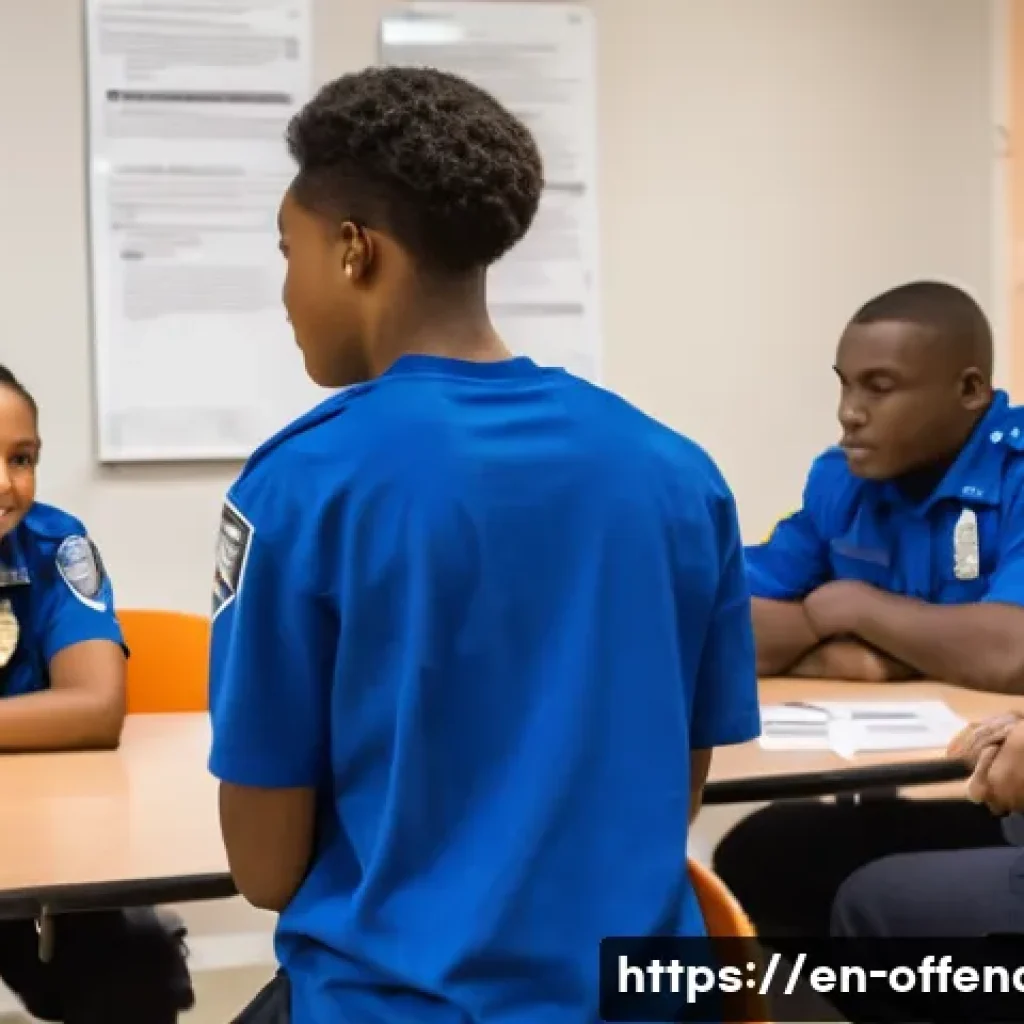
Juvenile probation plays a crucial role in guiding young offenders back onto a positive path without resorting to harsh punishments. By focusing on supervision and support, this system aims to reduce recidivism and help youth reintegrate into society.
Understanding how probation works for juveniles sheds light on the balance between accountability and rehabilitation. It’s fascinating to see how tailored interventions can shape futures and promote lasting change.
Let’s dive deeper and explore the key aspects and benefits of juvenile probation in detail!
The Foundations of Juvenile Probation
Understanding the Core Purpose
Juvenile probation is fundamentally designed to steer young offenders away from the cycle of crime by emphasizing guidance over punishment. Unlike adult probation systems, which often focus heavily on surveillance, juvenile probation integrates support mechanisms tailored to the unique developmental needs of youth.
This means probation officers don’t just monitor compliance; they actively work with juveniles to address underlying issues such as family problems, educational gaps, or behavioral challenges.
From my experience volunteering in community youth programs, I’ve seen firsthand how this supportive approach can make all the difference—offenders are more likely to engage positively when they feel understood rather than simply punished.
The Role of Probation Officers as Mentors
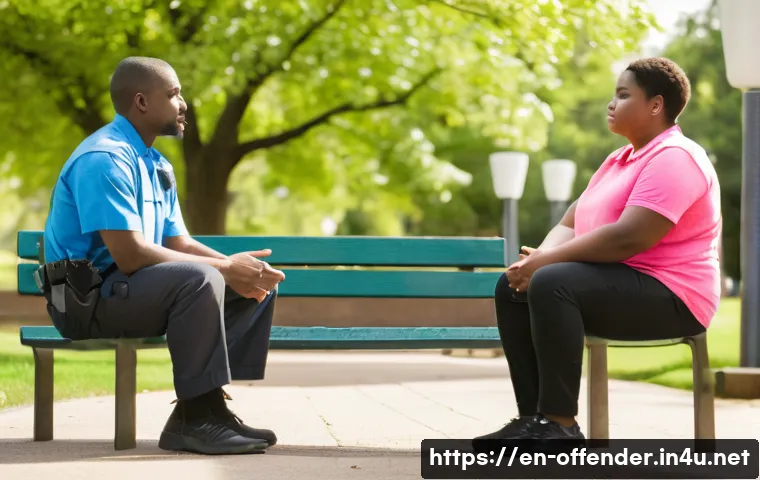
Probation officers in juvenile cases often act as mentors and advocates, not just enforcers of the law. Their role extends to connecting the youth with counseling, educational resources, and extracurricular activities that promote positive growth.
One thing I’ve noticed in conversations with probation officers is their commitment to building trust with young people, which can sometimes take months but is crucial for effective rehabilitation.
This relationship-based model helps probationers develop accountability without feeling alienated, which ultimately reduces the likelihood of reoffending.
The human connection behind the badge really changes the dynamic of supervision.
Balancing Accountability with Compassion
A unique aspect of juvenile probation is its balance between holding youth accountable and recognizing their capacity for change. Unlike adult systems that often emphasize punishment as deterrence, juvenile probation acknowledges that adolescents are still maturing cognitively and emotionally.
This understanding shapes probation conditions that challenge offenders to make amends and learn new skills while avoiding overly harsh penalties that could derail their futures.
Personally, I find this balance inspiring because it respects young people’s potential and recognizes that mistakes don’t have to define a life.
Tailored Interventions and Their Impact
Individualized Case Plans
Each juvenile probation case typically starts with a comprehensive assessment to identify the specific needs and risks associated with the youth. This assessment informs an individualized case plan that might include mandatory school attendance, therapy sessions, community service, or family counseling.
What’s striking here is how customized these plans can be—no two probationers receive the exact same combination of interventions. From what I’ve gathered through interviews with probation staff, this customization significantly improves engagement and outcomes because it targets the root causes of delinquent behavior rather than just the symptoms.
Positive Behavioral Supports
Many juvenile probation programs incorporate positive behavioral supports such as rewards for meeting goals or demonstrating improved behavior. This approach contrasts with traditional punitive models and fosters motivation by reinforcing good choices.
I remember talking to a young probationer who shared how earning privileges for consistent school attendance motivated her to stick with her program. This sort of reinforcement creates a feedback loop that encourages ongoing progress, which is essential for lasting change.
Family and Community Involvement
Successful juvenile probation also depends heavily on involving families and the broader community. Probation officers often facilitate family therapy or parenting classes to strengthen support systems at home, which is critical because many juveniles come from unstable or challenging environments.
Additionally, community partnerships provide opportunities for mentorship, skill development, and social integration. From a practical standpoint, I’ve seen that when families and communities are engaged, youth have a stronger safety net, making relapse into criminal behavior less likely.
Monitoring and Compliance Strategies
Regular Check-Ins and Reporting
Monitoring juvenile probation involves scheduled meetings between the probationer and officer, where progress is reviewed and any issues are addressed.
These check-ins provide structure and accountability without feeling overly intrusive. Based on conversations with probation officers, flexibility is key—they adjust frequency and intensity of supervision depending on the youth’s behavior and progress.
This adaptive monitoring helps maintain engagement rather than pushing youth away through rigid enforcement.
Use of Technology in Supervision
In recent years, some jurisdictions have integrated technology like GPS tracking or electronic check-ins to supplement traditional supervision methods.
While these tools can enhance safety and accountability, they are used sparingly with juveniles to avoid creating a sense of criminalization. From what I’ve seen, the best juvenile probation programs balance technology with personal interaction to maintain that human connection that’s so vital for positive outcomes.
Consequences for Non-Compliance
When juveniles fail to comply with probation terms, responses tend to focus on corrective rather than punitive measures. This might include increased counseling, community service, or temporary program modifications before considering more severe consequences like detention.
The emphasis remains on helping the youth get back on track instead of escalating punishments unnecessarily. This graduated response respects the developmental nature of adolescence and encourages responsibility without fostering resentment.
Long-Term Benefits of Effective Juvenile Probation
Reducing Recidivism Rates
Studies and practical experience show that juvenile probation, when implemented well, significantly lowers the chances of reoffending. The personalized support and accountability help youth develop skills and attitudes necessary for lawful, productive lives.
Reflecting on stories from community workers, many former probationers credit their success to the second chance and support that probation provided, which they might not have received in a harsher juvenile detention setting.
Encouraging Educational and Social Growth
Probation programs often emphasize re-engagement with education and positive social activities, which are critical for long-term success. I’ve observed that youth who stay in school and participate in community groups while on probation build stronger futures.
These activities also help them form positive peer networks, reducing the influence of negative peers that often contribute to delinquent behavior.
Building Life Skills and Resilience
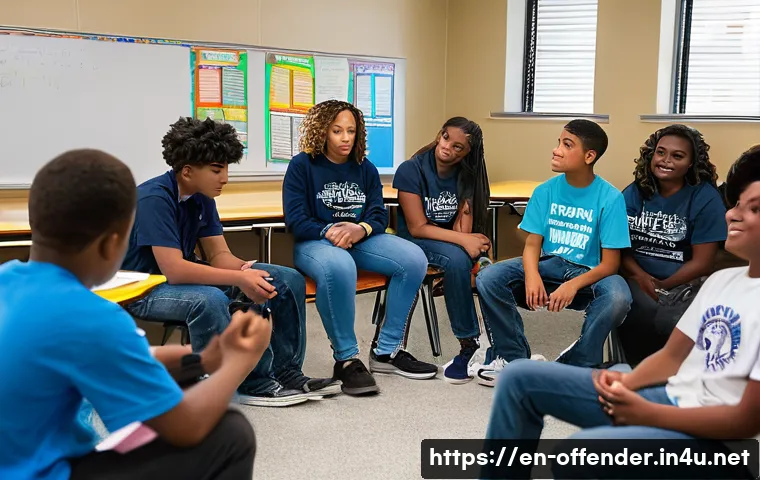
Beyond immediate supervision, juvenile probation helps youth develop essential life skills like decision-making, problem-solving, and emotional regulation.
Many programs include workshops or mentoring focused on these competencies. From direct conversations with probationers, I’ve learned that gaining these skills boosts confidence and resilience, equipping them to handle future challenges without resorting to crime.
Challenges and Opportunities in Juvenile Probation
Addressing Resource Limitations
One of the biggest hurdles in juvenile probation is limited funding and staffing, which can restrict the quality and reach of services. Probation officers often juggle large caseloads, making it difficult to provide the individualized attention every youth deserves.
Still, innovative programs and community partnerships have stepped up to fill gaps. From my experience attending juvenile justice forums, there’s a strong push toward increasing resources because the return on investment—safer communities and productive youth—is undeniable.
Overcoming Stigma and Building Trust
Juveniles on probation sometimes face stigma from peers, schools, or even family, which can hinder their progress. Building trust is a slow process, and probation officers must work hard to overcome skepticism.
I recall meeting several probation officers who emphasized patience and consistency as their key tools in breaking down barriers and fostering positive relationships.
This trust-building is crucial because it lays the groundwork for meaningful change.
Innovative Approaches and Future Directions
The juvenile probation field is evolving with new evidence-based practices such as trauma-informed care, restorative justice, and culturally responsive interventions.
These approaches recognize the diverse backgrounds and experiences of youth and aim to make probation more effective and equitable. In recent conferences I’ve attended, experts shared success stories of these innovations leading to better engagement and outcomes, highlighting a promising future for juvenile probation systems.
Comparison of Juvenile Probation Components
| Component | Description | Key Benefit |
|---|---|---|
| Assessment | Individual evaluation of risks, needs, and strengths | Customizes intervention plans for better outcomes |
| Case Planning | Development of tailored goals and supervision conditions | Addresses root causes of delinquency |
| Supervision | Regular meetings, monitoring, and support | Maintains accountability while fostering trust |
| Support Services | Counseling, education, family involvement, and mentoring | Promotes rehabilitation and social reintegration |
| Compliance Measures | Graduated responses to adherence or violations | Encourages responsibility without harsh penalties |
The Human Side of Juvenile Probation
Real-Life Stories of Change
Hearing directly from youth who have been through probation programs reveals the profound human impact of these systems. Many share how probation officers became crucial supporters during difficult times, helping them see new possibilities.
One young man I spoke with described probation as “a lifeline,” explaining that the chance to prove himself outside detention motivated him to pursue college.
These stories remind us that behind every case number is a young person with dreams and potential.
The Emotional Journey for Families
Probation doesn’t just affect the youth; families often experience a rollercoaster of emotions, from fear and frustration to hope and pride. Probation officers frequently act as liaisons, helping families navigate this journey and find resources to cope.
From what I’ve witnessed, families who feel included and supported tend to create more stable environments for their children, which directly influences the success of probation efforts.
Building Community Awareness and Support
Community attitudes play a big role in juvenile probation outcomes. When neighborhoods understand and support rehabilitation efforts, youth have more opportunities to succeed.
I’ve attended community meetings where open dialogue between probation staff, families, and local leaders fostered a shared commitment to youth development.
This collective effort strengthens the safety net around probationers and builds a more compassionate, proactive community culture.
Conclusion
Juvenile probation stands as a vital bridge between punishment and rehabilitation, offering young offenders a chance to grow and learn from their mistakes. Its success relies heavily on personalized support, compassionate supervision, and strong community involvement. By focusing on development rather than just discipline, juvenile probation helps youth build better futures while reducing recidivism. The human connections formed throughout this process truly highlight the transformative power of second chances.
Useful Information to Remember
1. Juvenile probation emphasizes guidance and support tailored to the unique needs of youth, rather than strict surveillance or punishment.
2. Probation officers act as mentors and advocates, building trust and connecting juveniles with educational and counseling resources.
3. Customized case plans address the root causes of delinquent behavior, improving engagement and rehabilitation outcomes.
4. Family and community involvement are essential to creating a supportive environment that reduces the risk of reoffending.
5. Juvenile probation balances accountability with compassion, using graduated responses to encourage responsibility without harsh penalties.
Key Takeaways
Effective juvenile probation combines individualized supervision with supportive interventions that respect adolescent development. Building trust between probation officers and youth is crucial for rehabilitation, as is involving families and communities to create a strong support system. Embracing innovative, evidence-based practices enhances the system’s ability to reduce recidivism and promote lasting positive change. Ultimately, juvenile probation is about providing young people with the tools and opportunities to rewrite their stories and thrive beyond their past mistakes.
Frequently Asked Questions (FAQ) 📖
Q: What is juvenile probation and how does it differ from adult probation?
A: Juvenile probation is a legal supervision program designed specifically for young offenders, typically those under 18, aimed at helping them avoid incarceration while addressing their behavior through guidance and support.
Unlike adult probation, juvenile probation focuses more on rehabilitation, education, and family involvement rather than just punishment. The goal is to steer youth toward positive development, reduce the chances of reoffending, and help them reintegrate into their communities with tailored interventions that consider their unique needs and circumstances.
Q: How does juvenile probation help reduce recidivism among young offenders?
A: Juvenile probation reduces recidivism by providing continuous supervision combined with support services such as counseling, educational programs, and skill-building activities.
From my experience and what I’ve observed, this hands-on approach addresses underlying issues like family problems, substance abuse, or peer pressure that often lead to delinquent behavior.
Probation officers work closely with the youth to set realistic goals and monitor progress, which encourages accountability while fostering personal growth.
This supportive environment makes it less likely for young people to fall back into trouble.
Q: What kinds of conditions or requirements are typically involved in juvenile probation?
A: Conditions of juvenile probation vary but generally include regular meetings with a probation officer, attending school or alternative education programs, obeying curfews, participating in counseling or therapy, and sometimes community service.
In some cases, youth must avoid certain people or places linked to their offenses. Having seen these conditions in action, I can say they’re designed not just to restrict but to build structure and responsibility.
The idea is to help juveniles develop better decision-making skills and encourage positive habits that will last beyond the probation period.