
Facing criminal charges is, without a doubt, one of the most terrifying experiences anyone can endure. The legal labyrinth, the sheer weight of the accusations, and the fear of an uncertain future can feel overwhelmingly isolating.
I’ve spoken to countless individuals who’ve been there, and what always strikes me is the immediate panic, quickly followed by the desperate need for a clear path forward.
It’s not just about guilt or innocence; it’s about navigating a complex system where every single move, every piece of evidence, and every word exchanged truly matters.
From my own observations, especially with the rapid evolution of digital footprints and public opinion shaping narratives online, defense strategies have become more dynamic and nuanced than ever before.
You might think it’s all about courtroom dramatics and passionate speeches, but trust me, it’s far more strategic, requiring a deep understanding of legal precedent, human psychology, and even emerging technological evidence.
We’re living in an era where a strong defense isn’t just about what happened, but how it’s meticulously presented, thoroughly analyzed, and robustly challenged.
Having seen various approaches play out, I can tell you that a well-crafted defense can make all the difference, transforming a seemingly hopeless situation into one with genuine possibilities.
It’s about building an airtight narrative, understanding the prosecution’s weak points, and leveraging every available resource with precision. Ready to uncover the secrets to building a formidable defense in the face of criminal accusations?
Let’s dive deeper below.
The Immediate Aftermath: Don’t Panic, Strategize

Okay, so the unthinkable has happened. You’re facing criminal charges. I get it; the world probably feels like it’s spinning out of control. Your heart’s pounding, your mind is racing, and all you can think about is the worst-case scenario. Believe me, I’ve seen this reaction countless times, and it’s perfectly normal. But here’s the crucial first step: breathe. Panicking is natural, but it won’t get you anywhere productive. The very first, most critical thing you can do is to resist the urge to talk to anyone – especially law enforcement – without legal representation. Anything you say, even seemingly innocent remarks, can and will be used against you. This isn’t just legal jargon; it’s a harsh reality I’ve witnessed unfold time and again. Remember, the police aren’t there to help you build your defense; their job is to build a case against you. From my perspective, acting quickly and rationally in these initial moments sets the entire tone for your defense. It’s about taking control of what you *can* control, rather than letting the situation engulf you.
Understanding Your Rights: Silence is Golden
The moment you’re accused, or even questioned in a way that suggests you might be a suspect, your Miranda rights kick in. You have the right to remain silent, and you absolutely should exercise it. I’ve seen so many people try to explain themselves, thinking they can clear things up, only to inadvertently dig themselves into a deeper hole. It’s incredibly difficult to undo a statement made under duress or misunderstanding, even if you meant well. Seriously, the best thing you can do is politely state you wish to speak with an attorney before answering any questions. This isn’t about guilt; it’s about protecting your fundamental rights. Don’t let anyone pressure you into waiving this critical protection.
Seeking Immediate Legal Counsel: Your Lifeline
Once you’ve asserted your right to silence, your next immediate step is to find a qualified criminal defense attorney. This isn’t a task you should delay. The sooner you have an experienced legal professional on your side, the better your chances of navigating the complexities ahead. They can intervene with law enforcement on your behalf, prevent you from making common mistakes, and begin investigating your case while evidence is fresh and witnesses are available. Think of them as your shield and your guide through what will undoubtedly feel like a bewildering journey. I’ve personally observed how a good attorney’s early involvement can dramatically alter the trajectory of a case, often preventing minor issues from escalating into major legal battles.
Assembling Your A-Team: The Defense Dream Team
Once the initial shock subsides, your focus needs to shift to building the strongest possible defense. And let me tell you, this isn’t a solo mission. It’s about assembling a formidable team, and at the heart of that team is your criminal defense attorney. Choosing the right lawyer is paramount. This isn’t just about finding someone with a law degree; it’s about finding an advocate who understands the local legal landscape, has a track record in cases similar to yours, and who you genuinely trust. I always tell people to look for someone who communicates clearly, explains the difficult legal jargon in plain English, and truly listens to your story. The relationship you build with your attorney will be crucial, as you’ll be entrusting them with your freedom and your future. From what I’ve witnessed, the best defense strategies are born from a collaborative effort, where you and your lawyer work hand-in-hand, sharing information and building a robust case.
Beyond the Attorney: Investigators and Experts
A top-tier defense often extends beyond just your primary attorney. Depending on the complexity of your case, your legal team might include private investigators, forensic experts, and even psychological evaluators. Private investigators can re-interview witnesses, uncover new evidence, and challenge the prosecution’s narrative in ways law enforcement might not have explored. Forensic experts, like those specializing in DNA, ballistics, or digital evidence, can provide critical analysis that either refutes prosecution claims or strengthens your own. I’ve seen cases where a skilled forensic expert was able to poke holes in seemingly airtight evidence, completely changing the outcome. It’s truly amazing what a fresh pair of eyes with specialized knowledge can uncover.
The Power of Communication: You and Your Counsel
Effective communication is the bedrock of a strong defense. You need to be completely honest and transparent with your attorney, even if certain details are embarrassing or uncomfortable. They can’t defend what they don’t know. Share every piece of information, every memory, and every document, no matter how insignificant it might seem to you. Your attorney’s job is to assess the relevance and develop a strategy. Furthermore, ensure you understand the legal process, the potential outcomes, and every step your attorney plans to take. Don’t be afraid to ask questions until you feel fully informed. This open dialogue not only strengthens your defense but also alleviates some of the immense stress you’ll undoubtedly be feeling.
Unearthing the Truth: Digging Deep for Evidence
In the realm of criminal defense, evidence is king. It’s the bedrock upon which your entire case rests. I can’t stress this enough: every single piece of information, no matter how minor, can play a pivotal role. This isn’t just about what the prosecution presents; it’s about proactively uncovering and meticulously scrutinizing *all* available evidence, and sometimes even evidence that the prosecution might have overlooked or deemed irrelevant. Your defense team will be working tirelessly to gather witness testimonies, review documents, and secure any physical or digital evidence that supports your narrative. It’s a painstaking process, often feeling like putting together a giant, complex puzzle, but every piece matters. I’ve seen firsthand how a seemingly insignificant detail, once properly investigated, can completely unravel the prosecution’s argument.
Scrutinizing the Prosecution’s Case: Finding the Cracks
A crucial part of building your defense involves tearing apart the prosecution’s case. Your attorney will meticulously review every piece of evidence they intend to use against you. This includes police reports, witness statements, forensic analysis, and any digital footprint. The goal here isn’t just to understand their argument but to find its weaknesses, inconsistencies, or procedural errors. Were proper protocols followed during the arrest or evidence collection? Are witness statements contradictory? Is the forensic analysis sound? I’ve seen many cases where the prosecution’s case, while appearing strong on the surface, had significant vulnerabilities when subjected to rigorous scrutiny. This is where your attorney’s experience and attention to detail truly shine.
Building Your Own Evidentiary Foundation: Your Story
Beyond finding flaws in the prosecution’s case, your defense team will work to build a robust evidentiary foundation for your side of the story. This might involve collecting alibi evidence, character witnesses, expert testimonies, or any documentation that supports your innocence or casts doubt on the charges. This isn’t about fabricating a story; it’s about presenting a clear, coherent, and evidence-backed narrative that counteracts the prosecution’s claims. For instance, if an alibi is key, they’ll gather phone records, surveillance footage, or witness statements to confirm your whereabouts. If your character is being called into question, they might bring in reputable individuals who can speak to your integrity. From my experience, a compelling defense isn’t just about denying guilt, but about affirmatively demonstrating a plausible alternative explanation or undermining the very foundation of the accusation.
Crafting Your Narrative: The Art of Storytelling in Court
You might think court is all about cold, hard facts, but believe me, it’s also about narrative. Every good defense tells a story – your story – in a way that resonates with the judge and jury. This isn’t about making things up; it’s about presenting the facts in a clear, compelling, and truthful manner that highlights your perspective and challenges the prosecution’s version of events. Your attorney will work with you to understand every nuance, every emotion, and every detail of what happened. They’ll help you organize your thoughts and experiences into a coherent narrative that humanizes you and contextualizes the charges. I’ve often seen how a well-articulated, empathetic narrative can make all the difference, especially in cases where the evidence might seem stacked against an individual. It’s about building a bridge of understanding between your truth and the minds of those who hold your fate in their hands.
Identifying Your Core Defense Strategy: The Central Theme
Every successful defense hinges on a core strategy, a central theme that runs through all arguments and presentations. Is it mistaken identity? A lack of intent? Self-defense? A violation of your constitutional rights? Your attorney will help you identify the most plausible and legally sound defense strategy based on the evidence and circumstances of your case. This isn’t a one-size-fits-all approach; it’s a tailored plan designed specifically for your situation. Once this core strategy is established, every piece of evidence, every witness testimony, and every argument presented will reinforce this central theme. I can tell you from countless observations that a clear, consistent defense strategy is far more effective than a scattered approach that tries to argue too many things at once.
Practicing Your Testimony: Clarity and Conviction
If you decide to testify, which is a significant decision you’ll make with your attorney, practicing your testimony is absolutely critical. This isn’t about memorizing lines or fabricating answers; it’s about becoming comfortable with the process, understanding how to answer questions clearly and concisely, and knowing how to handle cross-examination. Your attorney will conduct mock direct and cross-examinations, helping you anticipate potential questions and present your story with conviction and honesty. I’ve seen defendants who were incredibly nervous but, through practice, were able to articulate their truth effectively. The goal is to present yourself as credible, truthful, and someone the jury can believe. It truly makes a world of difference when you speak with clarity and confidence.
Navigating the Courtroom: Understanding the Process
Stepping into a courtroom, especially when you’re the defendant, can feel like entering an entirely different world. The language, the procedures, the gravitas of the situation – it’s all incredibly intimidating. But knowing what to expect, understanding the flow of a trial, can significantly reduce that anxiety. Your attorney will be your guide through this labyrinth, explaining each stage, from jury selection to opening statements, presentation of evidence, closing arguments, and ultimately, the verdict. They’ll prepare you for the formal environment, the specific etiquette, and the roles of everyone involved, from the judge and jury to the prosecutor and court staff. My own observation is that defendants who are well-prepared for the courtroom experience, who understand the rhythm of the proceedings, are far better equipped to handle the immense pressure.
Jury Selection: The Foundation of Fairness
Jury selection, or ‘voir dire,’ is a fascinating and incredibly important part of the trial. This is where attorneys from both sides question potential jurors to determine their impartiality and suitability. Your attorney will be looking for jurors who are fair, open-minded, and capable of understanding the complexities of your case. They’ll also be trying to identify anyone with biases that could harm your defense. This isn’t about finding jurors who will automatically side with you; it’s about ensuring you have a jury that can render a verdict based solely on the evidence presented in court. It’s a delicate dance, but a skilled attorney knows how to identify the right people to hear your story.
The Flow of Trial: From Opening to Closing
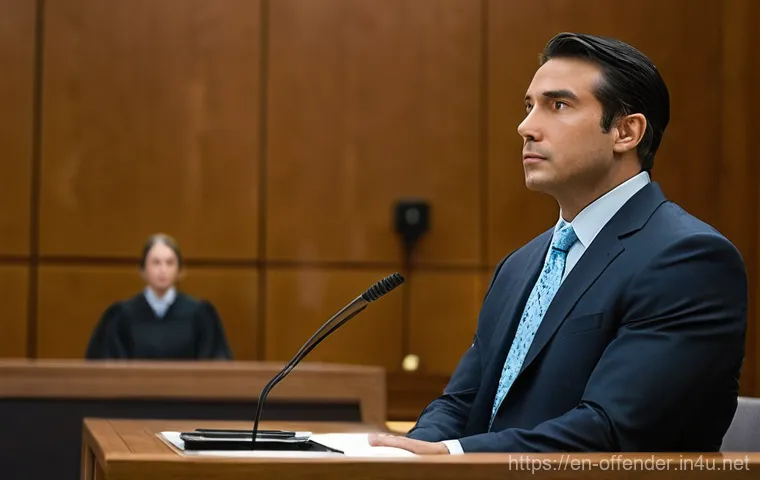
Once the jury is selected, the trial officially begins. It usually starts with opening statements from both the prosecution and the defense, where each side outlines the story they intend to prove. Then comes the presentation of evidence, with witnesses testifying and being cross-examined. This is where the bulk of the action happens. Finally, both sides present their closing arguments, summarizing their case and urging the jury to find in their favor. Understanding this sequence helps demystify the process. I’ve always found it helpful to visualize the trial as a story being told, with each phase adding a new chapter until the final conclusion. Staying focused on your attorney’s guidance through each of these stages is key.
The Digital Footprint: Social Media and Electronic Evidence
We live in a world saturated with technology, and frankly, our digital lives are becoming as scrutinized as our physical ones, if not more so. This means that when you’re facing criminal charges, your digital footprint – everything from your social media posts to your emails, text messages, and even location data from your phone – can become a critical part of the evidence. I’ve witnessed countless cases where a seemingly innocuous tweet or a private message ended up playing a significant role in the courtroom. It’s not just about what you say, but what others say about you, or even where your phone was at a particular time. Understanding this new reality is absolutely essential for building a robust defense in the modern age.
Social Media: A Double-Edged Sword
Your social media presence can be a double-edged sword. While it can sometimes offer alibi evidence or character support, it can just as easily be used against you. Old posts, likes, shares, comments, and even your friend list can be subpoenaed and meticulously reviewed by the prosecution. Anything that can be interpreted as indicative of intent, motive, or even just bad judgment can be presented. This is why one of the first things your attorney might advise is to carefully review and potentially even lock down your social media profiles, or at the very least, be extremely cautious about what you post during an ongoing case. I personally know of instances where a casual post intended as a joke was taken entirely out of context and presented as damning evidence.
Electronic Devices and Data: Beyond Social Media
Beyond social media, virtually every electronic device you own holds a wealth of potential evidence. Your smartphone, computer, tablet, and even smart home devices can contain data relevant to your case. This includes text messages, call logs, emails, browsing history, GPS data, photos, and videos. Law enforcement can obtain warrants to access this information, and forensic experts can often recover deleted data. It’s crucial to be upfront with your attorney about any potential digital evidence, as they can strategize how to address it. From my experience, assuming something is ‘deleted’ or ‘private’ in the digital world is a dangerous gamble. A comprehensive defense includes understanding and addressing all forms of electronic evidence.
Beyond the Verdict: Picking Up the Pieces
Regardless of the outcome of your trial – whether it’s an acquittal, a plea deal, or a conviction – the journey doesn’t end when the judge’s gavel falls. The aftermath of criminal charges can be a profoundly challenging period, impacting various aspects of your life. This is where the long-term strategy comes into play, focusing on rebuilding and moving forward. It’s about more than just legal repercussions; it’s about your reputation, your employment, your relationships, and your mental well-being. I’ve seen people emerge from these experiences stronger, having learned invaluable lessons, but it takes deliberate effort and often, continued support.
Dealing with the Aftermath: Reputation and Reintegration
If you’re acquitted or charges are dropped, there’s still the lingering shadow of the accusation. Reintegrating into your community, finding employment, and repairing your reputation can be an uphill battle. Your attorney can often assist with issues like expungement or sealing records, which can help clear your name over time. If a conviction occurs, the focus shifts to understanding the terms of your sentence, whether it’s incarceration, probation, or community service. Navigating these requirements and seeking opportunities for rehabilitation are critical steps. I’ve seen how challenging this phase can be, but also how resilience and a clear plan can lead to a positive path forward.
Support Systems: Leaning on Others
Throughout this entire ordeal, and especially in the aftermath, having a strong support system is invaluable. This includes family, friends, and potentially therapists or support groups. The emotional toll of criminal charges is immense, and you shouldn’t try to bear it alone. Talking to trusted individuals, seeking professional counseling, and finding healthy coping mechanisms are crucial for your mental and emotional well-being. From my observations, those who actively seek and accept support tend to navigate the post-trial period with greater success and find it easier to rebuild their lives. Remember, you’re not just fighting a legal battle; you’re fighting for your peace of mind and your future.
Key Elements of a Strong Criminal Defense
Understanding the essential components of a robust criminal defense strategy can empower you, even in the most daunting circumstances. It’s a combination of legal acumen, meticulous investigation, and clear communication. Below, I’ve outlined some of the critical elements that consistently contribute to a strong defense, based on what I’ve observed and learned over the years. This isn’t just theory; these are the practical applications that truly make a difference when your freedom is on the line.
| Defense Element | Description | Why It Matters |
|---|---|---|
| Experienced Legal Counsel | A seasoned criminal defense attorney with specific experience in cases like yours. | Provides expert guidance, navigates legal complexities, and ensures your rights are protected from the outset. Their local knowledge of courts and prosecutors can be invaluable. |
| Thorough Investigation | Beyond police reports, this involves independent interviews of witnesses, crime scene reconstruction, and gathering new evidence. | Uncovers facts the prosecution might miss, identifies inconsistencies, and builds an alternative narrative for your defense. |
| Evidentiary Review | Meticulous examination of all prosecution evidence (physical, digital, testimonial) for flaws, omissions, or procedural errors. | Can lead to the suppression of illegally obtained evidence, weaken the prosecution’s case, or reveal opportunities for rebuttal. |
| Clear Defense Strategy | A well-defined and consistent theory of the case, such as alibi, self-defense, mistaken identity, or lack of intent. | Provides focus for your entire defense, guiding witness selection, evidence presentation, and legal arguments, making your case coherent and understandable. |
| Expert Witnesses | Bringing in specialists (forensic, psychological, technical) to provide specialized insights or challenge prosecution experts. | Adds credibility to your defense, interprets complex information, and can sway jury opinion on critical aspects of the case. |
| Effective Communication | Clear, honest, and frequent dialogue between you and your attorney, and your attorney’s ability to articulate your defense compellingly. | Ensures all facts are known, strategies are understood, and your story is presented persuasively to the judge and jury. |
The Human Element: Empathy and Understanding
While facts and legal strategies are paramount, never underestimate the human element in a courtroom. Your attorney’s ability to convey empathy, to make the judge and jury see you as a person, not just a defendant, can be incredibly powerful. This isn’t about manipulation; it’s about ensuring your story is heard and understood in its full context. I’ve often seen cases where a jury, moved by a genuine presentation of circumstances, has been able to look beyond the charges and truly consider the human impact. It’s a subtle but profound aspect of defense that a truly skilled attorney understands how to leverage.
Adaptability: Pivoting When Necessary
Finally, a strong defense is also an adaptable one. The legal landscape can shift unexpectedly; new evidence might emerge, witnesses might change their stories, or judicial rulings could alter the course of the trial. A truly effective defense team isn’t rigid; they’re capable of pivoting, adjusting their strategy, and responding dynamically to new developments. This requires quick thinking, deep legal knowledge, and an unwavering commitment to your best interests. I’ve observed attorneys who, faced with unforeseen challenges, managed to turn the tide simply by being flexible and strategically rethinking their approach. This ability to adapt is a hallmark of truly excellent legal representation.
Concluding Thoughts
Navigating the labyrinthine world of criminal charges is undeniably one of life’s most challenging experiences. It can feel isolating, overwhelming, and utterly terrifying, and I completely understand if you’re feeling that way right now. But what I want you to take away from this is a sense of empowerment, not despair. By understanding your rights, assembling a truly dedicated legal team, meticulously uncovering every piece of truth, and crafting a compelling narrative, you’re not just reacting to circumstances – you’re actively shaping your defense. This journey requires courage, patience, and unwavering trust in your legal counsel. Remember, you don’t have to walk this path alone; with the right support and strategy, you can face these challenges head-on and work towards the best possible outcome for your future.
Handy Tips You Should Know
Here are some quick, practical tips that, from my experience, make a real difference when you’re facing legal troubles. These aren’t just legal theories; they’re the kind of common-sense actions that can significantly impact your case and your peace of mind.
1. Stay Offline: Seriously, once charges are looming or even suspected, hit pause on your social media. Anything you’ve ever posted, or anything you post now, can be scrutinized and potentially twisted against you. Think before you type, and when in doubt, don’t share it at all. This applies to texts, emails, and even private messages – assume nothing is truly private. Your online footprint is far more expansive and permanent than most people realize, and prosecutors are increasingly leveraging digital evidence. Protect yourself by minimizing your digital presence and certainly avoid discussing your case or any related details online, no matter how private you think the conversation is.
2. Document Everything: From the moment you have any interaction with law enforcement, start a meticulous log. Note down dates, times, names of officers, what was said, and any observations you made. If you have medical appointments, travel plans, or any other activity that could serve as an alibi or contextual information, gather those records. The more detailed your personal records are, the easier it will be for your legal team to piece together your timeline and challenge inconsistencies from the other side. This habit can be a lifesaver when memories fade or official reports have gaps.
3. Financial Preparedness: Legal battles, unfortunately, can be costly. While you’re focusing on your defense, it’s wise to also consider the financial aspect. Understand the fee structure with your attorney, discuss payment plans if needed, and explore any resources that might be available. Having a clear picture of the financial commitment can alleviate an enormous amount of stress, allowing you to focus on the legal strategy without added monetary worry. Don’t be shy about discussing this openly and early with your chosen legal representation; transparency is key on both sides.
4. Prioritize Your Mental Health: This is a marathon, not a sprint, and the emotional toll can be immense. Seek out support from trusted family and friends, consider professional counseling, or join support groups if available. Finding healthy coping mechanisms – whether it’s exercise, mindfulness, or creative outlets – is crucial. Your ability to remain calm, focused, and resilient throughout the process will be a huge asset to your defense. Remember, it’s okay not to be okay, but it’s vital to seek help when you need it to maintain your emotional equilibrium.
5. Understand the Long Game: Regardless of the immediate outcome, remember that your life continues beyond the courtroom. If convicted, focus on rehabilitation and meeting the terms of your sentence. If acquitted, work on rebuilding your reputation and moving forward. This might involve expunging records, seeking new employment, or reconnecting with your community. Your attorney can provide guidance on these post-verdict steps. The goal is always to eventually put this chapter behind you and build a positive, stable future, even if it requires significant effort and time.
Key Takeaways
Facing criminal charges demands immediate, strategic action focused on protecting your rights. Your absolute first step is to engage an experienced criminal defense attorney and exercise your right to remain silent until counsel is present. Your defense hinges on a meticulous investigation, a clear strategy, and transparent communication with your legal team, including being honest about all digital and physical evidence. Remember that both the legal process and the aftermath require resilience and support, but with a robust defense and a clear plan, you can navigate these challenging waters towards the best possible resolution.
Frequently Asked Questions (FAQ) 📖
Q: uestions
A: bout Criminal Defense
Q: What’s the absolute first thing I should do if I’m accused of a crime?
A: Oh, this is the big one, the question that keeps people up at night. The moment you’re accused, your mind can race a million miles an hour, and it’s so easy to feel overwhelmed.
But trust me on this: the very first, most crucial step you can take is to remain silent and immediately seek legal counsel. I know, it sounds cliché, like something from a TV show, but it’s genuinely the best advice I can give.
Anything you say, even if you think it’s helping or clearing things up, can be misinterpreted or used against you later. Police are trained to elicit information, and even innocent remarks can get twisted in court.
Politely but firmly state that you wish to speak with an attorney before answering any questions. Don’t argue, don’t confront the accuser, and definitely don’t post about it on social media – seriously, just don’t!.
My personal experience has shown that those who speak to a lawyer first, even before official charges are filed, are far better positioned to protect their rights and start building a solid defense from day one.
You need someone in your corner who understands the complex legal landscape and can guide you through every step, right from the initial arrest or accusation.
Q: You mentioned evolving defense strategies; how do things like digital footprints impact my defense now?
A: It’s incredible, isn’t it? Our world is so digital now, and honestly, our “digital footprints” are having a monumental impact on criminal cases. Think about it: every text, every email, every social media post, even your phone’s GPS data – it all leaves a trail.
From what I’ve observed, this digital evidence can be a double-edged sword. On one hand, prosecutors love to use it to establish timelines, motives, or even intent.
They might pull up your search history, chat logs, or location data to build their case. But here’s the fascinating part: this same digital evidence can be your strongest ally!
I’ve seen countless cases where phone records proved an alibi, social media posts contradicted a witness, or GPS data showed a client was nowhere near a crime scene.
The trick is having an attorney who’s not just legally savvy, but also digitally literate. They need to understand digital forensics, how to obtain and preserve this evidence, and how to challenge its authenticity or relevance if it’s being used against you.
It’s no longer just about physical evidence; your online life, ironically, can now often tell a more complete story, for better or worse.
Q: How can I truly build a “formidable defense” when everything feels stacked against me?
A: I totally get that feeling – when you’re accused, it can feel like the whole world is against you, and building a “formidable defense” seems impossible.
But let me assure you, it’s not. From what I’ve witnessed, a truly strong defense isn’t about one magic bullet; it’s a meticulously crafted strategy built on several key pillars.
First, it starts with a deep, deep understanding of the charges against you and the nuances of the law. Your legal team needs to dissect every element of the alleged crime.
Then, it’s all about gathering and analyzing every single piece of available evidence – police reports, witness statements, even that digital trail we just talked about.
My friends in the legal field emphasize how crucial it is to spot inconsistencies or weaknesses in the prosecution’s case. Beyond that, a formidable defense often involves developing a persuasive argument and preparing rigorously for trial, which might include mock trials, witness preparation, and organizing evidence in a compelling way.
And don’t underestimate the power of knowing your rights; a good attorney will challenge any constitutional violations or procedural errors made during your arrest or investigation.
I’ve seen situations where police misconduct or improper evidence gathering completely undermined a prosecutor’s case. Ultimately, it boils down to having an experienced criminal defense attorney who can orchestrate all these elements, understand both the strengths and weaknesses of your situation, and tirelessly advocate for you.
It truly can make all the difference, transforming that feeling of dread into a genuine shot at a positive outcome.