
Hey there, fellow knowledge seekers! As someone who’s always diving deep into how we can build a better society, I’ve been spending a lot of time exploring a really complex, yet incredibly hopeful, topic: the power of psychological therapy for criminal offenders.
It’s a subject that sparks a lot of debate, right? You hear about high recidivism rates, and it’s easy to feel like nothing works. But what if I told you that the landscape of correctional psychology is undergoing some truly fascinating transformations, moving us beyond old-school “punishment-only” mentalities towards innovative, evidence-based approaches?
My research, and what I’ve seen firsthand through keeping up with the latest developments, really shows that therapy isn’t just a soft option; it’s a critical tool for breaking cycles of reoffending and truly rehabilitating individuals.
We’re talking about programs like Cognitive Behavioral Therapy (CBT), which focuses on reshaping thinking patterns, and newer models that build on offenders’ strengths rather than just addressing their deficits.
It’s not a magic bullet, of course, and the journey is filled with challenges – from ensuring high-quality program implementation to providing vital post-release support like housing and employment.
However, the commitment to mental health support in correctional facilities is growing exponentially, driven by the clear understanding that a huge percentage of incarcerated individuals grapple with mental health issues.
There’s a real buzz around integrating effective therapeutic strategies with practical life skills, aiming for a future where rehabilitation genuinely reduces crime and fosters safer communities.
This isn’t just theory; it’s about changing lives and impacting society positively. So, are you ready to uncover the real impact and future potential of psychological therapy in offender rehabilitation?
Let’s delve into this much-needed discussion and sort out what’s truly making a difference.
Beyond Bars: The Transformative Power of Therapy Behind Walls

It’s easy to get caught up in the idea that once someone is incarcerated, the story ends there. But from what I’ve observed, and the discussions I’ve had with experts in the field, that couldn’t be further from the truth.
The time spent in correctional facilities, while undeniably focused on accountability, also presents a critical window for profound personal change. This isn’t about being ‘soft on crime’; it’s about being smart about crime.
When individuals grappling with deep-seated psychological issues receive targeted therapy, we’re not just marking time; we’re actively dismantling the very thought patterns and behaviors that led them there in the first place.
I genuinely believe that true rehabilitation begins when we acknowledge the complex human beings behind the labels, and offer them the tools to rebuild their lives from the inside out.
It’s an investment, not just in their future, but in the safety and well-being of our communities once they return.
Addressing the Root Causes of Behavior
So often, the crimes we see are merely symptoms of much deeper issues. Think about it – trauma, addiction, unmanaged anger, mental health disorders like depression or anxiety; these aren’t excuses, but they are powerful drivers of behavior.
Without addressing these fundamental psychological underpinnings, we’re essentially patching a leaky boat without fixing the hole. What I’ve seen through my exploration of various programs is that therapy offers a structured, safe space for individuals to confront these painful realities.
It’s about more than just talking; it’s about learning to process emotions, challenge destructive thoughts, and develop healthier coping mechanisms. This proactive approach is where the real magic happens, fostering a shift from reactivity to thoughtful response.
Cultivating Empathy and Social Skills
Another massive piece of the puzzle, and one I feel is often overlooked, is the development of empathy and crucial social skills. Many offenders, for a multitude of reasons, struggle with understanding the impact of their actions on others or navigating social interactions constructively.
Therapy, particularly group therapy, provides a micro-community where these skills can be practiced and refined. Through role-playing, constructive feedback, and shared experiences, individuals can begin to grasp the perspectives of victims and develop a stronger sense of personal responsibility.
I’ve personally learned how vital these ‘soft skills’ are not just for successful reentry, but for simply living a fulfilling, interconnected life.
Unpacking the ‘Why’: Understanding the Roots of Offending Behavior
When we talk about effective rehabilitation, we first have to peel back the layers and truly understand *why* someone might offend. It’s rarely a simple, one-dimensional answer, and as someone who’s always digging into human behavior, this is where it gets really fascinating – and heartbreaking, honestly.
We’re not talking about excusing behavior, but rather gaining a comprehensive understanding that allows us to intervene effectively. Many individuals entering the correctional system have histories riddled with adversity, whether it’s childhood neglect, exposure to violence, or systemic disadvantages.
Ignoring these profound influences is like trying to fix a broken engine without knowing what parts are actually damaged. What I’ve seen time and again is that a holistic approach, one that looks at the individual’s entire life story, is absolutely essential for genuine change.
It makes sense, right? If you don’t understand the problem, how can you ever hope to find a lasting solution?
The Impact of Trauma and Adverse Childhood Experiences
This is a really big one, and it’s something I’ve spent a lot of time reading about. Adverse Childhood Experiences (ACEs) and unresolved trauma play an alarmingly significant role in shaping an individual’s development and subsequent choices.
Early and repeated exposure to violence, abuse, or neglect can fundamentally alter brain development, leading to difficulties with emotional regulation, impulse control, and forming healthy attachments.
I’ve personally found myself reflecting on how deeply these early experiences can embed themselves, influencing reactions and decision-making years, even decades, later.
Therapy, especially trauma-informed approaches, offers a pathway to process these deep wounds, breaking the cycle where past pain dictates future actions.
It’s not about erasing the past, but about changing its power over the present and future.
Substance Abuse and Mental Health Co-occurrence
Another critical factor that frequently intertwines with criminal behavior is the complex relationship between substance abuse and mental health disorders.
It’s an often-cited statistic, but it bears repeating: a vast percentage of incarcerated individuals struggle with one or both of these challenges. For many, substances become a maladaptive coping mechanism for underlying mental health issues, creating a vicious cycle that’s incredibly difficult to escape without professional intervention.
From my perspective, trying to address criminal behavior without simultaneously tackling these co-occurring disorders is a recipe for recidivism. Effective psychological therapy, therefore, often involves integrated treatment models that can address both addiction and mental health simultaneously, providing a more robust foundation for recovery and a crime-free life.
It’s about treating the whole person, not just the symptom.
Tailored Approaches: How Different Therapies Make a Difference
One of the most encouraging things I’ve learned about correctional psychology is that it’s not a “one size fits all” endeavor. Just like in general mental health, therapists working with offenders use a diverse toolkit of approaches, each designed to address specific needs and challenges.
This personalization is absolutely key, because what works for someone struggling with impulse control due to a traumatic past might be completely different from what benefits someone dealing with chronic addiction.
It’s about meeting people where they are and guiding them with the most appropriate, evidence-based strategies. I’ve been genuinely impressed by the depth and breadth of these therapeutic modalities, and how specialists are continually adapting and refining them to maximize their impact.
Cognitive Behavioral Therapy (CBT) and Its Offshoots
If there’s one therapeutic approach you hear about a lot in the context of offender rehabilitation, it’s definitely Cognitive Behavioral Therapy, or CBT.
And for good reason! At its core, CBT helps individuals identify and challenge distorted thinking patterns that often precede criminal behavior. Think of it this way: if you can change how someone thinks about a situation or about themselves, you can change how they react.
I find this incredibly powerful because it gives individuals agency over their own minds. Beyond standard CBT, there are also specialized offshoots like Cognitive Skills Training and Aggression Replacement Training, which focus on very specific behavioral deficits.
These programs teach practical skills, like problem-solving, emotional regulation, and social perspective-taking, which are absolutely crucial for navigating life outside of a correctional setting without reoffending.
Beyond Cognition: Addressing Emotions and Relationships
While CBT is a powerhouse, it’s not the only game in town, and I think that’s a strength of the field. Many individuals require therapeutic approaches that delve deeper into emotional regulation and interpersonal relationships.
For instance, Dialectical Behavior Therapy (DBT), initially developed for borderline personality disorder, has shown incredible promise in correctional settings for individuals with severe emotional dysregulation and impulse control issues.
Then there’s family therapy, which can be crucial for preparing individuals for release by repairing damaged family relationships and building a supportive home environment.
And let’s not forget trauma-informed care, which, as I mentioned, is becoming increasingly recognized as foundational. These varied approaches underscore a vital truth: human psychology is incredibly complex, and effective treatment must mirror that complexity.
Navigating the Hurdles: Challenges in Correctional Therapy
While the potential of psychological therapy in offender rehabilitation is immense, I wouldn’t be giving you the full picture if I didn’t acknowledge the very real and significant hurdles that exist.
It’s far from a smooth road, and as someone who champions effective solutions, I feel it’s crucial to understand these challenges so we can collectively work towards overcoming them.
We’re talking about systemic issues, resource constraints, and the complex human element itself. It’s a tough environment, both for the individuals receiving therapy and for the dedicated professionals delivering it, and recognizing these difficulties is the first step towards building more robust and effective programs.
Resource Constraints and Program Quality
Let’s be brutally honest: correctional facilities are often underfunded and understaffed. This translates directly into a scarcity of qualified mental health professionals, limited therapeutic program offerings, and sometimes, less-than-ideal environments for therapy delivery.
I’ve often wondered how challenging it must be for a therapist to build rapport and deliver intensive treatment in a noisy, crowded, or insecure setting.
Furthermore, ensuring the *quality* and *fidelity* of these programs is a constant battle. It’s not enough to just say you have a CBT program; it needs to be delivered by properly trained individuals, in a consistent manner, using evidence-based curricula.
Anything less, and we risk diminishing the impact and, frankly, wasting precious resources. This is where my passion really kicks in – advocating for better investment in these critical services.
Resistance, Stigma, and Engagement
Another significant challenge, and one that taps into the human side of things, is the issue of offender engagement. Not everyone is ready or willing to participate in therapy.
There’s often a deep-seated stigma around mental health, particularly in populations where showing vulnerability can be perceived as weakness. Trust can be incredibly difficult to build, especially for individuals who have experienced systemic failures or personal betrayals.
I’ve thought a lot about this – how do you reach someone who has built up a lifetime of walls? Therapists in correctional settings need exceptional skills in motivational interviewing and building therapeutic alliance, often starting with very small steps.
It’s a testament to their dedication that they manage to break through these barriers and help individuals embark on a path to healing.
From Institution to Integration: Supporting Reentry and Reducing Recidivism
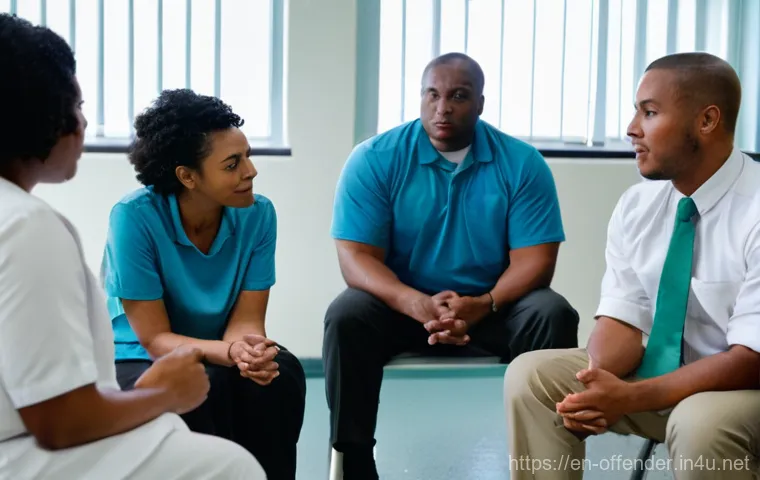
Here’s where the rubber truly meets the road, in my opinion. What happens *after* someone completes their therapy within the walls of a correctional facility?
The journey doesn’t end there; in fact, the transition back into society is often the most precarious and challenging phase. All the hard work done in therapy can unravel remarkably quickly if there isn’t robust support waiting on the outside.
This is a topic I’m incredibly passionate about because it directly impacts recidivism rates and, ultimately, the safety and well-being of our communities.
It’s about bridging the gap between rehabilitation inside and successful integration outside.
The Critical Role of Aftercare and Community Support
I’ve learned that effective aftercare is absolutely non-negotiable for lasting change. Without continued access to mental health services, substance abuse treatment, stable housing, and meaningful employment, the likelihood of reoffending skyrockets.
Imagine going from a highly structured environment to facing immense freedom and responsibility, often without a strong support network or resources. It’s a recipe for disaster.
That’s why I’m such a strong advocate for robust community-based programs that can pick up where institutional therapy leaves off. This includes outpatient therapy, support groups, halfway houses, and job placement assistance.
It’s a holistic approach that acknowledges life isn’t just about avoiding crime; it’s about building a positive, productive future.
Addressing Practical Barriers to Reintegration
Beyond therapeutic support, there are a host of practical barriers that often trip up individuals returning to society. Think about securing identification, opening a bank account, finding transportation, or simply navigating a complex bureaucracy.
These seem like small things to many of us, but for someone with a criminal record, they can be monumental obstacles. And then there’s employment – many employers are hesitant to hire individuals with past convictions, even when they’ve completed extensive rehabilitation.
This is where programs focusing on vocational training, resume building, and job interview skills become absolutely vital. From what I’ve observed, removing these practical roadblocks is just as important as psychological healing in fostering sustainable, crime-free lives.
The Ripple Effect: Broader Societal Benefits of Rehabilitation
Sometimes, when we talk about therapy for offenders, the conversation can get very focused on the individual, which is important, of course. But what I’ve genuinely come to appreciate is the much wider ripple effect that successful rehabilitation has on society as a whole.
It’s not just about one person’s journey; it’s about safer streets, stronger families, and a more just society. When someone successfully reintegrates and becomes a productive, law-abiding citizen, everyone benefits.
I truly believe that investing in these programs is an investment in our collective future, and that’s a message I feel needs to be heard far more often.
Safer Communities and Reduced Recidivism
Let’s be direct about this: the most tangible and immediate benefit of effective rehabilitation is a reduction in crime and, consequently, safer communities.
When individuals receive the tools to change their thinking and behavior, they are significantly less likely to reoffend. This isn’t just wishful thinking; there’s a growing body of evidence demonstrating that well-implemented therapeutic programs can significantly lower recidivism rates.
From my perspective, this directly translates into fewer victims, less strain on the criminal justice system, and a greater sense of security for everyone.
It’s a win-win situation, plain and simple, and it makes all the effort and investment absolutely worthwhile.
Strengthening Families and Breaking Cycles
Another powerful, yet often less visible, benefit of rehabilitation is the positive impact it has on families. When a parent, sibling, or child is incarcerated, it creates immense stress, instability, and sometimes trauma for the entire family unit.
Successful rehabilitation can mean the reunification of families, the establishment of healthy relationships, and the breaking of intergenerational cycles of crime and disadvantage.
I’ve often thought about the children of incarcerated parents – giving their parent the tools to heal and grow can mean the difference between them following a similar path or forging a new, positive one.
It’s a profound impact that extends far beyond the individual offender.
What’s Next? Emerging Trends and the Future of Offender Treatment
The field of correctional psychology is far from static; it’s constantly evolving, adapting, and integrating new knowledge and technologies. This is incredibly exciting to me because it means we’re continuously seeking more effective ways to help individuals and improve societal outcomes.
As someone who loves to look ahead, I see several promising trends that are shaping the future of offender treatment, pushing us towards even more personalized, evidence-based, and technologically advanced approaches.
It’s a dynamic and hopeful space, and I’m genuinely optimistic about where it’s headed.
Integrating Technology and Digital Solutions
One of the most fascinating developments I’ve been tracking is the increasing integration of technology into therapeutic interventions. We’re seeing everything from virtual reality (VR) programs used for empathy training or practicing social situations, to tele-mental health services that can extend the reach of qualified therapists to remote or underserved facilities.
Digital platforms can also provide educational content, track progress, and offer continued support post-release. I mean, imagine being able to practice a job interview in a VR simulation, or connect with a therapist online after leaving a facility.
These innovations have the potential to overcome many of the traditional barriers to access and engagement, making therapy more accessible and engaging than ever before.
It’s truly a game-changer!
| Therapeutic Approach | Primary Focus | Key Benefits for Offenders |
|---|---|---|
| Cognitive Behavioral Therapy (CBT) | Identifying and changing maladaptive thought patterns and behaviors. | Improved impulse control, better problem-solving skills, reduced anger. |
| Dialectical Behavior Therapy (DBT) | Emotional regulation, distress tolerance, interpersonal effectiveness. | Reduced self-harm, improved coping with intense emotions, healthier relationships. |
| Trauma-Informed Care | Understanding and addressing the impact of past trauma on current behavior. | Healing from past wounds, reducing reactive behaviors, building resilience. |
| Motivational Interviewing | Enhancing intrinsic motivation for change by exploring and resolving ambivalence. | Increased willingness to engage in treatment, greater commitment to recovery. |
Personalized and Strengths-Based Approaches
The future, as I see it, is also moving firmly towards more personalized and strengths-based approaches. Instead of a blanket program, we’re seeing a greater emphasis on individual assessments that guide tailored treatment plans.
This means not just identifying deficits, but actively recognizing and building upon an individual’s existing strengths, talents, and protective factors.
Maybe someone has a strong artistic talent, or a natural leadership ability; how can we leverage that in their rehabilitation journey? I think this shift is incredibly powerful because it empowers individuals, fostering a sense of self-efficacy and hope.
It moves beyond just fixing what’s broken to cultivating what’s good and strong within each person, leading to more sustainable and meaningful change.
Closing Thoughts
As we wrap up our deep dive into the truly transformative world of therapy within correctional facilities, I hope you feel as inspired and hopeful as I do. It’s incredibly easy to dismiss the potential for change when we look at the daunting statistics or the complexities of the justice system. Yet, what I’ve consistently found is that at the heart of every challenge lies an opportunity for profound growth. My journey through understanding these programs has solidified my belief that genuine rehabilitation isn’t just a lofty ideal; it’s a tangible reality made possible by dedicated professionals and the resilient individuals willing to do the hard work of healing. Let’s keep championing these efforts, because investing in therapy behind walls isn’t just about second chances; it’s about building a better, safer future for everyone.
Useful Information to Know
1. Advocating for Change: If you’re feeling moved by the potential of correctional therapy, consider looking into organizations that advocate for criminal justice reform and mental health services within prisons. Many non-profits actively work to expand access to quality therapeutic programs and support for returning citizens. A simple search for “prison reform mental health” or “offender rehabilitation advocacy” in your local area or at a national level can reveal fantastic opportunities to lend your voice or time.
2. Understanding Recidivism Rates: It’s helpful to be aware of how effective therapeutic programs directly impact recidivism (the tendency of a convicted criminal to reoffend). Data often shows that comprehensive, evidence-based therapy, especially when coupled with robust reentry support, can significantly lower these rates. This isn’t just theory; it’s backed by research, demonstrating that investing in rehabilitation is a smart public safety strategy and far more effective than punitive measures alone.
3. Support for Families: The incarceration of a loved one can be incredibly challenging for families. Many communities offer support groups, counseling services, and resources specifically designed for family members of incarcerated individuals. These resources can help manage the emotional toll, navigate the legal system, and maintain connections that are crucial for successful reintegration post-release. Don’t hesitate to seek out these networks if you or someone you know is in this situation.
4. Volunteer Opportunities: Did you know many correctional facilities and community organizations welcome volunteers? From tutoring and mentoring to facilitating support groups or educational workshops, there are numerous ways to directly contribute to the rehabilitation journey. Your time and unique skills can make a significant difference, offering valuable human connection and support that often complements formal therapy programs. It’s a rewarding way to see the impact firsthand.
5. Educational Resources: For those keen to delve deeper, there’s a wealth of academic research, books, and documentaries exploring correctional psychology, the effects of incarceration, and successful rehabilitation models. Universities often publish studies, and organizations like the American Psychological Association (APA) have divisions dedicated to psychology and law. Educating ourselves further helps dismantle misconceptions and fosters a more informed, empathetic perspective on this critical societal issue.
Key Takeaways
Reflecting on everything we’ve explored, it’s clear that the path to true rehabilitation is multifaceted but incredibly powerful. The fundamental truth I’ve discovered is that addressing the root causes of criminal behavior through targeted psychological therapy is not just compassionate; it’s profoundly effective in fostering lasting change. We’ve seen that a ‘one-size-fits-all’ approach simply doesn’t cut it, highlighting the absolute necessity of diverse therapeutic modalities tailored to individual needs, whether it’s CBT for thought patterns or DBT for emotional regulation. While challenges like resource constraints and the pervasive stigma surrounding mental health persist, these are hurdles we absolutely must strive to overcome with greater investment and understanding. Most critically, the journey doesn’t end when someone leaves an institution; robust aftercare and community support are the bedrock of successful reintegration, ultimately leading to safer communities, stronger families, and breaking cycles of disadvantage for generations to come. Ultimately, my biggest takeaway is this: investing in the healing and growth of individuals behind bars isn’t just about them; it’s a profound investment in all of us.
Frequently Asked Questions (FAQ) 📖
Q: Does psychological therapy for offenders really make a difference, or is it just a temporary fix?
A: This is a question I hear a lot, and honestly, it’s one that used to make me scratch my head too! It’s easy to look at headlines about reoffending and feel like nothing works.
But here’s the thing: from my perspective, diving deep into the research and observing the evolving landscape, therapy is far from a temporary fix. We’re talking about a fundamental shift in how individuals think and behave, and that’s powerful.
The goal isn’t just to keep someone out of trouble while they’re in a program; it’s about equipping them with the tools to navigate life’s challenges, manage impulses, and make pro-social choices long-term.
When implemented effectively, with proper follow-through and support systems, psychological therapies like Cognitive Behavioral Therapy (CBT) have demonstrably reduced recidivism rates.
It’s not a magic wand, mind you, and every individual’s journey is unique, but the evidence overwhelmingly points to its capacity for fostering genuine, lasting change.
It’s about planting seeds for a different future, not just patching up the past.
Q: What kinds of psychological therapies are actually used with criminal offenders, and how do they work?
A: That’s a fantastic question, and it gets to the heart of how this whole process unfolds! When we talk about therapy in a correctional setting, we’re not just talking about someone lying on a couch – it’s much more structured and targeted.
The gold standard, from what I’ve seen, is often Cognitive Behavioral Therapy (CBT). Imagine someone whose thinking patterns lead them down destructive paths; CBT helps them identify those negative thought patterns and replace them with healthier, more constructive ones.
It’s like retraining your brain to react differently to situations. Beyond CBT, we see a lot of success with programs that address specific needs, such as Anger Management for those struggling with aggression, or Substance Abuse Treatment for individuals whose offending is linked to addiction.
There’s also a growing focus on Trauma-Informed Care, recognizing that many offenders have experienced significant trauma themselves, and addressing that is crucial for healing.
What I find truly exciting is the shift towards building on an individual’s strengths rather than just focusing on their deficits – it’s about finding that spark of potential and helping it grow.
It’s a very practical, hands-on approach designed to change behaviors and thinking for the better.
Q: What are the biggest hurdles to successful offender rehabilitation through therapy, and how can we overcome them?
A: Ah, the million-dollar question! While the potential for therapy is huge, it’s definitely not without its challenges. From my direct observations and discussions, one of the biggest hurdles is consistent, high-quality program implementation.
You can have the best therapy model in the world, but if it’s not delivered by well-trained, empathetic professionals within a supportive environment, its effectiveness diminishes.
Another massive factor, and frankly, one that keeps me up at night, is the post-release support. Imagine going through intensive therapy, making real breakthroughs, and then being released with no stable housing, no job prospects, and a weak support network.
It’s incredibly tough to maintain progress under those circumstances! We’re talking about a whole ecosystem of support that needs to be in place – everything from adequate funding for correctional mental health services to robust community programs that offer housing assistance, employment training, and ongoing counseling.
Overcoming these hurdles requires a collaborative effort from policymakers, correctional staff, community organizations, and even families. It’s about creating a continuum of care that doesn’t just end at the prison gates but extends into the community, truly giving individuals a fighting chance to reintegrate and thrive.
It’s a huge undertaking, but absolutely essential for safer communities.