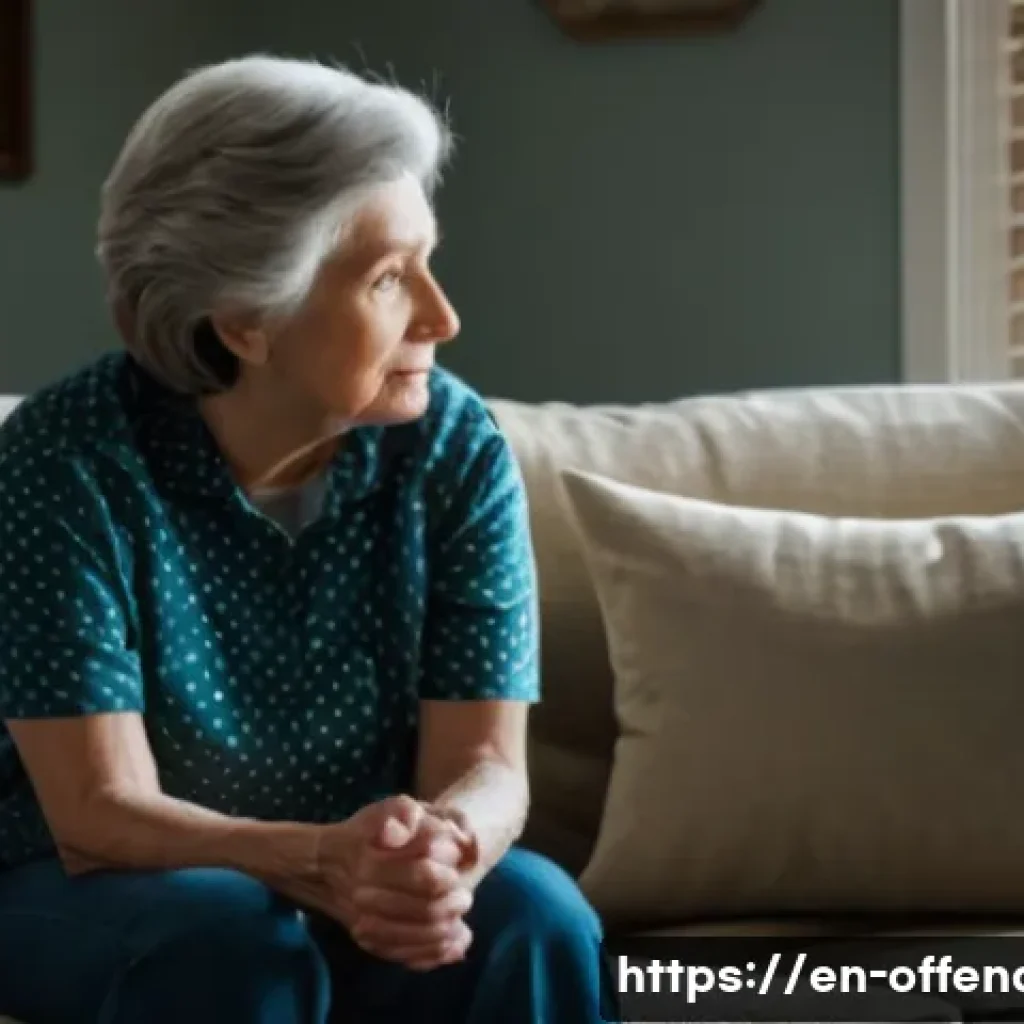
When we think about violent criminals, our focus often centers on their actions and consequences. However, the stories of their families reveal a complex web of emotions—grief, confusion, and sometimes even resilience.

These interviews provide a rare glimpse into how loved ones cope with the stigma and turmoil surrounding such crimes. They challenge us to see beyond the headlines and consider the human side of tragedy.
Exploring these personal accounts deepens our understanding of the ripple effects of violent acts. Let’s dive deeper and uncover the realities faced by these families.
I’ll walk you through the details in the following text.
The Emotional Turmoil Behind Closed Doors
The Weight of Public Judgment
For families of violent offenders, the outside world often feels like an unrelenting storm of scrutiny and suspicion. I’ve talked to a mother whose son was convicted of a serious crime, and she described feeling as if every neighbor, every acquaintance, suddenly saw her through a lens of shame.
It’s not just about the individual who committed the act; it’s the ripple effect that taints the family’s reputation, causing them to withdraw from social circles and live in a constant state of hyper-awareness.
The emotional toll is immense because they are forced to wrestle not only with personal grief but also with the burden of public condemnation.
Internal Family Dynamics and Shifting Roles
Inside the family, relationships often fracture or evolve in unexpected ways. When one member commits a violent crime, the roles within the family can shift dramatically.
I spoke with a sibling who suddenly had to take on the role of caregiver for aging parents while managing their own emotional distress. Others have told me about the tension between loyalty and self-preservation, where family members struggle to support their loved one while protecting themselves from the fallout.
This internal push and pull can create long-lasting wounds and complicate healing processes.
The Lingering Shadow of Guilt and Confusion
Many families share a common thread of confusion—trying to understand how someone they love could commit such acts. This often spirals into guilt, as they question whether their actions or inactions contributed to the outcome.
One father recounted sleepless nights replaying conversations and moments, searching desperately for signs he might have missed. The emotional burden is heavy, and it’s compounded by a lack of clear answers, leaving families stuck in a painful limbo.
Navigating Social Isolation and Stigma
Breaking the Silence: The Need for Support Networks
Isolation is one of the harshest realities these families face. Many feel cut off from friends and community, unsure who they can trust. I’ve met several individuals who eventually found solace in support groups specifically for families of offenders.
These groups become lifelines, offering a rare space where judgment is replaced by understanding. The shared experience helps reduce feelings of loneliness and provides practical advice for coping with societal backlash.
Impact on Children and Extended Family
Children, especially, suffer silently. They often face bullying at school or exclusion from peer activities, which can affect their development and self-esteem.
Grandparents and extended relatives also find themselves grappling with mixed emotions—pride, disappointment, love, and fear—all at once. The strain can fracture extended family ties or, in some cases, strengthen them as members rally together for support.
Community Reactions and Long-Term Effects
Community reactions range widely—from outright hostility to cautious empathy. In smaller towns or close-knit neighborhoods, the stigma can linger for years, affecting employment prospects and social integration for the entire family.
Some families have shared how they relocated to escape the constant reminders of their situation, which is a drastic but sometimes necessary step to regain peace of mind.
Financial Strain and Legal Battles
Unexpected Expenses and Economic Hardships
The financial burden on families of violent offenders often goes unnoticed. Legal fees alone can drain savings quickly, and if the offender was a primary breadwinner, the loss of income compounds the hardship.
I’ve heard stories of spouses taking on multiple jobs or even selling possessions to cover mounting costs. These economic pressures add another layer of stress that can push families to the brink.
Challenges in Accessing Legal and Social Services
Navigating the legal system is daunting, especially for those unfamiliar with the complexities of criminal law. Families frequently report feeling overwhelmed and under-informed, unsure where to turn for help.
While some organizations offer assistance, the demand often outstrips availability. This gap leaves many families to fend for themselves during the most critical moments, exacerbating feelings of helplessness.
Balancing Advocacy and Self-Care
Some families choose to become advocates for prison reform, victim support, or mental health awareness. While advocacy can be empowering, it also requires emotional energy that not everyone can spare.
Balancing this commitment with personal healing is a delicate act. I’ve encountered parents who describe advocacy as a way to find purpose amid chaos, but others warn of the risk of burnout and retraumatization.
The Complex Process of Forgiveness and Healing
Reconciling Love and Accountability
Forgiving a loved one who has committed a violent crime is not a straightforward journey. It involves grappling with conflicting emotions—love, anger, betrayal, and hope.
Some family members find that forgiveness helps them reclaim a sense of peace, while others feel it’s premature or impossible. The process is deeply personal and varies widely, influenced by individual beliefs and experiences.
Therapeutic Interventions and Emotional Support
Professional counseling often plays a crucial role in helping families navigate trauma. Therapists can provide tools to manage anxiety, depression, and feelings of isolation.
I’ve seen firsthand how family therapy sessions facilitate open communication, allowing members to express pain and rebuild trust. However, access to quality mental health care can be limited by cost or availability, which is a significant barrier for many.

Building Resilience Through Shared Stories
Sharing stories—whether in support groups, public forums, or private conversations—can be a powerful catalyst for healing. Families often describe a sense of validation and connection when their experiences are heard without judgment.
This communal resilience is a testament to the human capacity to endure and find meaning, even in the darkest circumstances.
Understanding the Broader Societal Impact
Breaking Stereotypes and Challenging Stigma
The stories of families reveal the limitations of common stereotypes about violent criminals. They remind us that these individuals exist within a complex social and familial context.
By humanizing the people behind the headlines, society can begin to dismantle harmful stigmas that isolate families and hinder rehabilitation efforts.
Policy Implications and Support Systems
These personal accounts highlight the urgent need for policies that provide comprehensive support to affected families. From mental health services to legal aid and community integration programs, a holistic approach can mitigate the collateral damage of violent crimes.
Advocates argue that investing in these resources ultimately benefits society by reducing recidivism and fostering healthier communities.
Lessons in Compassion and Empathy
Ultimately, these family stories challenge us to cultivate empathy. Recognizing their struggles encourages a more nuanced conversation about crime and punishment.
It’s a call to balance justice with compassion, acknowledging that behind every violent act, there is a network of people profoundly affected.
| Aspect | Challenges Faced | Potential Support | Long-Term Effects |
|---|---|---|---|
| Social | Stigma, isolation, bullying | Support groups, community education | Relocation, fractured relationships |
| Emotional | Grief, guilt, confusion | Counseling, therapy, peer support | Chronic anxiety, trauma |
| Financial | Legal fees, lost income | Legal aid, financial counseling | Economic hardship, debt |
| Legal | Complexity, lack of information | Advocacy, legal assistance | Prolonged stress, helplessness |
| Family Dynamics | Role shifts, tension, loyalty conflicts | Family therapy, communication workshops | Long-term relationship strain |
The Role of Media in Shaping Public Perception
Sensationalism vs. Reality
Media coverage often focuses on the most shocking details of violent crimes, which can distort public perception and deepen stigma for families. I recall a father expressing frustration over how headlines painted his son solely as a monster, ignoring the complexities of mental health and social background.
This sensationalism can strip families of their dignity and reduce their loved ones to mere caricatures.
The Power of Responsible Storytelling
On the flip side, some journalists and documentarians strive to tell balanced stories that include family perspectives. These narratives can foster understanding and humanize those affected.
Responsible storytelling involves careful language, respect for privacy, and an emphasis on the broader social context rather than sensational details.
Families Taking Control of Their Narrative
In recent years, many families have turned to social media and personal blogs to share their experiences on their own terms. This proactive approach allows them to counter misinformation, build communities, and advocate for change.
I’ve followed several family-led platforms that provide raw, honest insight into the realities of living with the aftermath of violent crime, which has resonated deeply with many readers.
Conclusion
Living in the shadow of a violent offense profoundly affects families in ways that are often unseen and misunderstood. Their journey involves navigating emotional pain, social stigma, and financial strain while seeking healing and hope. Recognizing their experiences encourages a more compassionate and supportive society. By sharing these stories, we open the door to empathy and meaningful change.
Useful Information to Remember
1. Support networks play a critical role in helping families cope with isolation and judgment, providing a safe space to share and heal.
2. Children and extended family members often face unique challenges, including bullying and emotional conflict, which require special attention.
3. Legal and financial hardships are common, making access to legal aid and financial counseling essential for family stability.
4. Advocacy and therapeutic support can empower families but must be balanced carefully to avoid burnout and further trauma.
5. Responsible media coverage and family-led storytelling help reshape public perception, reducing stigma and fostering understanding.
Key Takeaways
Families of violent offenders endure complex emotional and social challenges that extend far beyond the crime itself. Addressing their needs requires a holistic approach involving mental health support, legal assistance, and community education. Compassionate dialogue and informed policies are vital to easing their burden and promoting recovery. Ultimately, recognizing their humanity helps build stronger, more empathetic communities.
Frequently Asked Questions (FAQ) 📖
Q: How do families of violent criminals typically cope with the social stigma attached to their loved one’s actions?
A: Families often face immense social isolation and judgment, which can be incredibly challenging. Many cope by seeking support from counseling, connecting with others in similar situations, or focusing on personal resilience.
Some find strength in advocating for rehabilitation or raising awareness about the broader social issues that contribute to crime. However, the emotional toll is significant, and their coping mechanisms vary widely depending on individual circumstances and community support.
Q: What emotional challenges do families of violent offenders usually experience?
A: The emotional landscape for these families is complex and often includes grief, shame, confusion, and anger. They may grieve not only for the victims but also for the person they once knew.
Confusion can stem from trying to reconcile their loved one’s actions with their previous identity. Additionally, feelings of guilt or responsibility sometimes emerge, even if unfounded.
Over time, some family members develop resilience, but the journey is rarely straightforward or easy.
Q: Why is it important to understand the experiences of families affected by violent crime?
A: Understanding these families’ experiences humanizes the broader narrative surrounding violent crime, moving beyond statistics and headlines. It highlights the ripple effects of violence, showing how it impacts entire communities and relationships.
This perspective encourages empathy and can influence more compassionate policies regarding rehabilitation and support services. Recognizing their struggles also sheds light on the need for comprehensive social support systems that address the needs of both victims and the families of offenders.