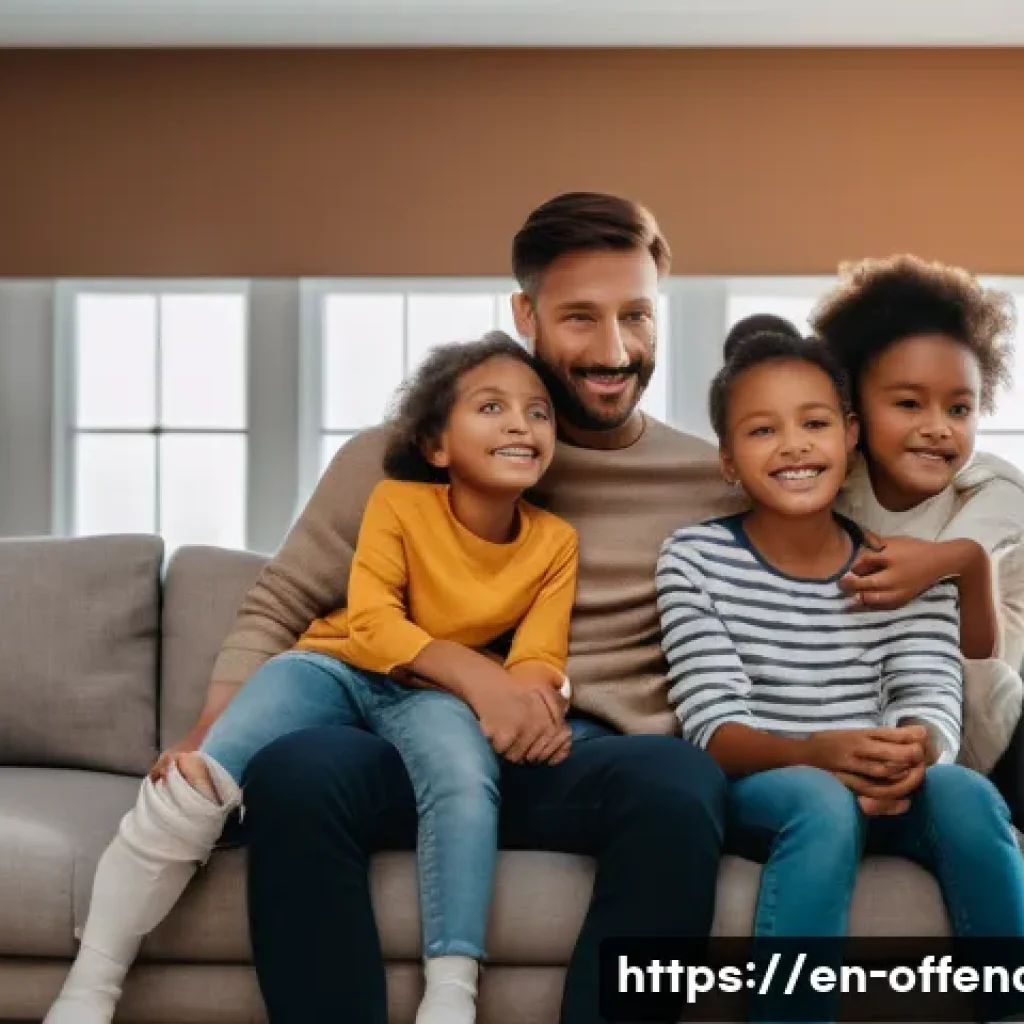
Understanding the family dynamics of violent offenders offers valuable insight into the roots of their behavior. Often, patterns within family relationships—such as conflict, neglect, or support—play a critical role in shaping an individual’s path.
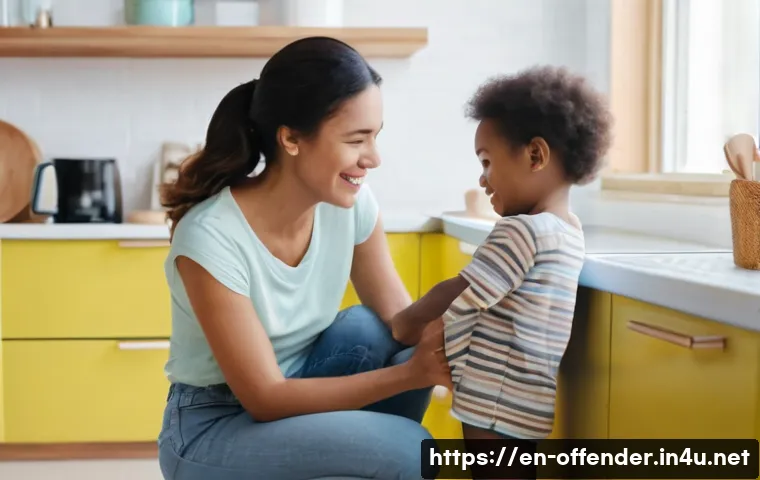
By examining these connections, we can uncover underlying factors that contribute to criminal actions and explore potential interventions. This approach not only aids in prevention but also helps society develop more effective rehabilitation strategies.
Let’s dive deeper into this fascinating topic and uncover the truths behind these complex relationships. I’ll walk you through the details in the following sections!
Impact of Early Family Environment on Behavioral Development
Role of Parental Conflict and Exposure to Violence
Growing up in a household marked by frequent parental conflict or domestic violence can deeply influence a child’s emotional and psychological makeup.
Children exposed to such turmoil often internalize hostility as a normal way to resolve disputes, which can manifest later as aggressive behavior. From my experience working with affected individuals, many described a constant atmosphere of tension and fear that shaped their understanding of relationships.
This early exposure sometimes disrupted their ability to develop healthy coping mechanisms, pushing them toward violent tendencies as a learned response to stress or frustration.
Effects of Neglect and Emotional Absence
Neglect, whether physical or emotional, leaves a void that can contribute to a person’s later violent conduct. When caregivers fail to provide consistent attention, affection, or guidance, children may struggle with feelings of worthlessness and abandonment.
I’ve noticed in various case studies that offenders with histories of neglect often grapple with profound insecurities and difficulty regulating emotions.
These challenges can increase vulnerability to peer pressure and involvement in risky behaviors, ultimately raising the risk of violent acts as a form of expression or control.
Protective Role of Positive Family Bonds
Not all family dynamics lead to harmful outcomes; in fact, supportive and nurturing relationships can act as powerful buffers against violent behavior.
Strong parental support, open communication, and a stable home environment foster resilience and emotional intelligence. When I interviewed individuals who overcame adverse circumstances, many credited a particular family member’s encouragement or mentorship for steering them away from destructive paths.
This highlights the importance of reinforcing positive connections within families as a preventative strategy.
Patterns of Sibling Interaction and Influence
Sibling Rivalry and Competitive Aggression
Sibling relationships often serve as a microcosm for social interaction, but intense rivalry can escalate into aggressive behaviors. When competition for parental attention or resources becomes unhealthy, it may reinforce aggressive patterns.
I have observed that violent offenders sometimes recall childhood episodes where sibling fights were frequent and unresolved, setting a precedent for handling conflict through intimidation or force.
The way siblings manage disputes can either normalize violence or teach negotiation skills.
Supportive Sibling Relationships as a Stabilizing Factor
Conversely, siblings can provide essential emotional support, particularly in dysfunctional families. A close sibling bond can offer a safe haven and model constructive problem-solving.
In some cases, offenders who maintained positive sibling ties demonstrated better social adjustment and fewer violent incidents. This underlines the potential for sibling relationships to serve as a protective factor against the development of violent tendencies.
Influence of Older Siblings’ Behavior
Older siblings often act as role models, and their behaviors can strongly influence younger family members. When older siblings engage in delinquent or violent acts, it increases the likelihood that younger siblings may imitate these actions.
From my observations, families where elder siblings were involved in criminal activities often had patterns of enabling or ignoring such conduct, which perpetuated a cycle of violence within the family unit.
Parental Styles and Their Correlation with Offending Behavior
Authoritarian Parenting and Its Consequences
Strict, controlling parenting styles, characterized by high demands and low warmth, can contribute to rebellious and aggressive behaviors. I’ve seen numerous cases where individuals who experienced authoritarian parenting felt stifled and misunderstood, resulting in anger and defiance that sometimes escalated into violence.
The lack of emotional support combined with rigid discipline often creates resentment, fueling a desire to assert control through aggression.
Permissive Parenting and Lack of Boundaries
On the opposite end, overly permissive parenting with minimal rules or supervision can lead to poor impulse control and a disregard for consequences. Some violent offenders I’ve encountered grew up without clear limits, which made it difficult for them to develop self-discipline.
This absence of structure can foster entitlement and a sense of invulnerability, increasing the risk of engaging in criminal acts.
Balanced Parenting as a Preventative Measure
Effective parenting strikes a balance between firmness and warmth, promoting healthy development and respect for social norms. Parents who combine clear expectations with emotional support help children build self-esteem and problem-solving skills.
From my experience, those raised in such environments tend to demonstrate better emotional regulation and lower rates of violent behavior.
The Role of Family Communication Patterns
Impact of Open and Honest Dialogue
Open communication within families encourages emotional expression and conflict resolution. When individuals feel heard and understood, they are less likely to resort to violence as a way to express frustration.
I’ve noticed that violent offenders who had limited experience with open dialogue often struggled to articulate their emotions, leading to pent-up anger that eventually exploded.
Consequences of Secretive or Avoidant Communication
Families that avoid discussing difficult topics or suppress emotions can inadvertently foster misunderstandings and resentment. This lack of transparency can create an environment where anger and hostility simmer beneath the surface.
Many offenders reported that their families rarely addressed problems directly, which contributed to feelings of isolation and confusion about appropriate ways to handle conflict.
Nonverbal Communication and Its Influence
Beyond words, nonverbal cues like body language and tone play a significant role in family interactions. Negative nonverbal signals, such as dismissive gestures or hostile stares, can reinforce feelings of rejection or fear.
I have found that even subtle nonverbal hostility contributes to a climate where violent responses become more likely as a defense mechanism.
Intergenerational Transmission of Violence
Cycle of Abuse and Learned Behaviors
Violence often perpetuates across generations, as children who witness or experience abuse may internalize it as normal behavior. My experience shows that offenders frequently come from backgrounds where at least one previous generation engaged in violent conduct.
This inherited pattern creates a powerful cycle that is difficult to break without targeted intervention.
Influence of Family Trauma and Unresolved Conflicts
Trauma passed down through families, such as unresolved grief or chronic stress, can exacerbate the risk of violent behavior. I’ve observed that families who fail to address their historical wounds inadvertently pass emotional burdens to younger members, sometimes triggering maladaptive coping mechanisms including aggression.
Breaking the Cycle Through Intervention and Support
Effective interventions that focus on family therapy, education, and community resources can interrupt the intergenerational transmission of violence.
From what I have witnessed, programs that engage entire families in healing processes tend to have better outcomes in reducing recidivism and promoting healthier dynamics.
Socioeconomic and Cultural Factors Affecting Family Dynamics
Economic Stress and Family Stability
Financial hardship places immense pressure on family relationships, often leading to increased conflict and instability. I have seen firsthand how unemployment or poverty can exacerbate stress levels, resulting in breakdowns in communication and support.
These pressures may push individuals toward criminal activity as a misguided means of coping or survival.
Cultural Norms and Expectations
Cultural beliefs about gender roles, discipline, and honor can significantly influence family interactions and attitudes toward violence. In some communities, strict adherence to traditional roles may justify aggressive behaviors or silence victims.
Understanding these cultural contexts is essential for developing tailored prevention and rehabilitation approaches.
Community Environment and Social Support Networks
The broader community environment, including neighborhood safety and access to social services, shapes family dynamics. Families embedded in supportive communities with resources like counseling and youth programs tend to exhibit more positive relationships.
Conversely, isolation and lack of support can compound familial stress, increasing the likelihood of violence.
| Family Factor | Impact on Violent Behavior | Potential Intervention |
|---|---|---|
| Parental Conflict | Normalizes aggression as conflict resolution | Family counseling and conflict management training |
| Neglect | Leads to emotional insecurity and acting out | Parental education and emotional support programs |
| Sibling Influence | Can reinforce violent behavior or provide support | Sibling mediation and positive role modeling |
| Parenting Style | Authoritarian or permissive styles increase risk | Parenting skills workshops emphasizing balance |
| Communication Patterns | Open dialogue reduces, secretiveness increases violence | Family therapy focusing on communication skills |
| Intergenerational Violence | Cycles perpetuate abuse and trauma | Early intervention and multi-generational therapy |
| Socioeconomic Stress | Increases family tension and instability | Economic support and community resource access |
| Cultural Norms | May justify violence or suppress victims | Culturally sensitive education and advocacy |
Rehabilitation Approaches Incorporating Family Dynamics
Family-Inclusive Therapy Models
Incorporating family members into rehabilitation programs can address underlying relational issues that contribute to violent behavior. From what I’ve seen, including families in therapy helps offenders rebuild trust and learn healthier interaction patterns.
This holistic approach can improve long-term outcomes by transforming the home environment into a supportive space.
Education and Skill-Building for Families
Teaching families about emotional regulation, conflict resolution, and communication fosters resilience and reduces relapse risks. I’ve encountered many success stories where families equipped with these skills actively participated in preventing reoffending by creating stable and nurturing environments.
Community and Social Support Integration
Rehabilitation is more effective when combined with community resources such as mentorship programs, job training, and social services. Supporting families beyond the clinical setting helps sustain positive changes and addresses socioeconomic challenges that might otherwise undermine progress.
Conclusion
The family environment plays a crucial role in shaping behavioral development, particularly in relation to violent tendencies. Understanding the complex interactions within family dynamics helps identify risk factors and protective influences. By addressing these early influences, we can better support individuals in overcoming adversity and fostering healthier relationships. Ultimately, nurturing positive family bonds and effective communication is key to preventing violence and promoting emotional well-being.
Useful Information to Remember
1. Early exposure to parental conflict or neglect can increase the likelihood of aggressive behavior later in life.
2. Positive family relationships, including supportive siblings and balanced parenting, act as strong protective factors.
3. Open and honest communication within families reduces misunderstandings and helps manage emotions constructively.
4. Intergenerational violence often continues without targeted intervention and family healing efforts.
5. Socioeconomic pressures and cultural norms significantly influence family dynamics and the risk of violent behavior.
Key Takeaways
Family dynamics deeply impact behavioral outcomes, especially regarding violence. Both negative factors like conflict, neglect, and authoritarian parenting and positive elements such as supportive bonds and open communication shape how individuals cope and develop. Breaking cycles of violence requires comprehensive approaches that include family therapy, education, and community support. Addressing socioeconomic and cultural contexts is essential to creating effective prevention and rehabilitation strategies. Prioritizing healthy family interactions can lead to lasting improvements in individual behavior and community safety.
Frequently Asked Questions (FAQ) 📖
Q: How do family dynamics influence the behavior of violent offenders?
A: Family dynamics often lay the groundwork for an individual’s behavior, especially in cases of violent offenders. For example, frequent conflict, neglect, or inconsistent parenting can create emotional turmoil and hinder healthy development.
When someone grows up in an environment lacking support or filled with hostility, it increases the likelihood of adopting aggressive or antisocial behaviors.
On the flip side, strong family bonds and positive communication can act as protective factors. From my experience researching this topic, understanding these dynamics helps us pinpoint why some individuals turn to violence, making it easier to address the root causes rather than just the symptoms.
Q: Can improving family relationships reduce the risk of violent behavior?
A: Absolutely. Strengthening family relationships can be a powerful tool in preventing violent tendencies. When families learn to communicate openly, resolve conflicts constructively, and provide emotional support, individuals feel more secure and valued.
This sense of belonging often reduces feelings of anger and isolation that can lead to violence. In practice, programs that focus on family therapy or parenting skills have shown promising results in lowering recidivism rates.
Personally, I’ve seen cases where offenders who reconnected with their families and healed old wounds were more motivated to change and reintegrate into society successfully.
Q: What role do family-based interventions play in rehabilitating violent offenders?
A: Family-based interventions are crucial in rehabilitation because they address the social environment that influences behavior. Unlike approaches that focus solely on the individual, these interventions involve family members in therapy sessions, education, and support networks.
This comprehensive approach helps rebuild trust, improve communication, and create a stable foundation for change. From what I’ve observed, offenders who participate in family-centered rehabilitation tend to have better outcomes, as their support system becomes an asset rather than a liability.
It’s a more holistic path to recovery that acknowledges the complexity of human relationships.