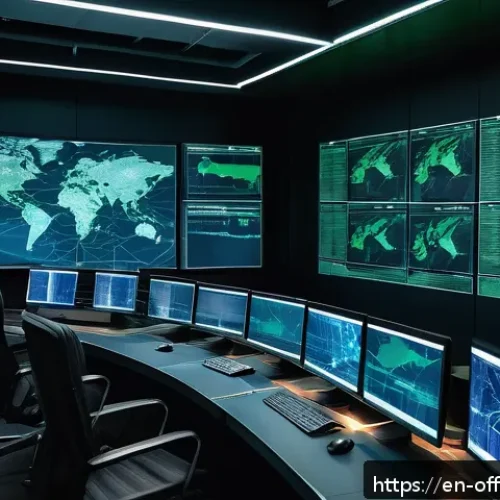
Hey everyone! As someone who’s always navigating busy city streets and enjoying public parks, I’ve found myself increasingly thinking about one crucial thing: our safety.
It’s not just about locking your front door anymore; making our shared spaces safer is a challenge many cities are tackling head-on. Honestly, it’s a topic I’ve been fascinated by, especially with all the incredible advancements happening around us.
We live in an age where technology is truly reshaping every aspect of our lives, and crime prevention is certainly no exception. Gone are the days when a simple CCTV camera was the peak of security.
Now, we’re talking about sophisticated AI-powered surveillance systems, smart city infrastructure that can predict potential hotspots, and even advanced sensor networks that enhance rapid response.
It’s truly mind-boggling what’s available today! My personal take? These innovations aren’t just gadgets; they’re vital tools giving us peace of mind and, hopefully, significantly reducing incidents.
I’ve seen firsthand how a well-placed, intelligently monitored system can deter crime and make people feel genuinely more secure walking home at night.
But beyond the cutting-edge tech, there are also crucial discussions around privacy and effectiveness that shape how these tools are deployed. So, what are these game-changing technologies, and how are they actually making our public spaces safer?
Let’s dive into the fascinating world of crime prevention tech and uncover exactly how these innovations are protecting our communities.
The Eyes and Ears of Our Cities: Advanced Surveillance Transforms Public Safety

Stepping out into bustling city centers or enjoying a quiet evening in a local park, I’ve often found myself observing the subtle layers of security around us. What really strikes me these days isn’t just the sheer number of cameras, but how incredibly smart they’ve become. It’s a far cry from the grainy, passive CCTV feeds of yesteryear. I remember when I first heard about advanced surveillance systems, I was a bit skeptical, wondering if it was just more Big Brother. But seeing them in action, I’ve come to appreciate the genuine impact they have on deterring crime and providing crucial evidence when incidents do occur. These aren’t just recording devices; they’re active participants in maintaining order, making me feel a lot more at ease when I’m out and about, especially after dark. The technology has evolved so rapidly that it’s almost unbelievable how much more detail and intelligence these systems can now gather and process, helping law enforcement respond much more effectively.
Next-Gen Camera Systems
Forget the old, static cameras; today’s camera systems are dynamic, high-definition marvels. We’re talking about devices with incredible zoom capabilities, 360-degree views, and even thermal imaging that can pick up activity in complete darkness. I’ve read about some systems that can identify individuals from a crowd, even if they’re partially obscured, by analyzing gait and unique physical characteristics. It’s like something out of a sci-fi movie, but it’s real and it’s being deployed in cities around the globe. For someone like me who values both personal safety and the vibrancy of urban life, these advancements are truly game-changing. They offer a level of detail that makes investigations far more efficient and thorough, helping to bring perpetrators to justice more swiftly. Moreover, their mere presence often serves as a significant deterrent, making potential offenders think twice before acting.
AI-Powered Analytics: More Than Just Watching
This is where things get really fascinating for me. It’s not just about cameras recording everything; it’s about artificial intelligence actively analyzing those feeds in real-time. Imagine a system that can detect unusual behavior – a person loitering for too long, a package left unattended, or even a sudden burst of activity that might indicate a fight. My initial reaction was a mix of awe and a little bit of unease about the implications for privacy, but then I considered the immense potential for preventing serious incidents. These AI systems can send immediate alerts to security personnel, allowing for rapid intervention before a situation escalates. I’ve heard stories from local authorities about how these analytics have helped them stop potential robberies or vandalism, simply because the system flagged something suspicious before it became a full-blown crime. It moves security from reactive to proactive, which, in my book, is a massive step forward for public safety.
Predicting the Unpredictable: AI and Predictive Policing
When I first started delving into the world of urban safety, the idea of “predictive policing” sounded almost too futuristic, a bit like something out of a dystopian novel. However, as I’ve dug deeper, I’ve come to understand that it’s far less about crystal balls and far more about sophisticated data analysis. It’s essentially leveraging massive datasets – everything from historical crime records and demographic information to weather patterns and social media trends – to identify areas and times when crime is statistically more likely to occur. From my own observations and conversations with folks working in municipal planning, this isn’t about targeting individuals; it’s about optimizing resource deployment. It means police patrols can be strategically placed in areas during peak times, not just randomly cruising. This proactive approach, in my view, shifts law enforcement from constantly playing catch-up to having a real chance at preventing crime before it even happens, which is a genuinely exciting prospect for anyone concerned about community well-being.
Data-Driven Hotspot Identification
Think about it: instead of relying on gut feelings or traditional patrol routes, cities are now using algorithms to pinpoint “hotspots” with remarkable accuracy. I’ve seen some compelling reports detailing how these systems can predict, for instance, that property crimes might spike in a particular neighborhood on certain days of the week, or that specific types of public disturbances tend to occur near certain entertainment venues during late hours. This isn’t just about making guesses; it’s about identifying patterns that are often invisible to the human eye due to the sheer volume of data. For me, the real benefit here is efficiency. It allows police departments, who are often stretched thin, to allocate their resources where they can do the most good, potentially deterring crime simply by increasing visible presence in high-risk areas at the right time. It’s like having an incredibly smart assistant that helps you stay one step ahead of trouble.
Ethical Considerations in Algorithmic Law Enforcement
Now, I won’t lie, this aspect of predictive policing brings up some really important conversations about ethics and fairness. My personal take is that while the technology itself is incredibly powerful, how we implement it is paramount. There’s a legitimate concern that if the historical data used to train these algorithms contains inherent biases (e.g., disproportionate policing in certain communities), then the predictions could perpetuate or even amplify those biases. I’ve spent a lot of time thinking about this, and what I’ve come to realize is that transparency and accountability are non-negotiable. It’s crucial for police departments and city officials to be upfront about how these systems work, what data they use, and what safeguards are in place to prevent discrimination. We can’t just blindly trust the algorithms; we need human oversight and continuous review to ensure they serve justice for everyone, not just perpetuate existing inequalities. Balancing effective crime prevention with fundamental civil liberties is truly the tightrope walk of our era.
Smart Infrastructure: Beyond Just Monitoring
When I talk about “smart cities,” it’s not just a buzzword for me; it’s about creating environments that are intrinsically safer and more responsive. I’ve always been fascinated by how different systems can work together, and public safety is perhaps one of the most compelling examples. It’s not just about putting up more cameras or deploying more officers; it’s about integrating technology into the very fabric of our urban spaces. From intelligent streetlights that adjust illumination based on foot traffic to emergency call boxes that offer more than just a direct line to help, the goal is to create a seamless network of prevention and response. I’ve personally experienced the subtle reassurance of walking through a well-lit park at night where the lighting adjusts as I pass, making me feel visible and less vulnerable. These aren’t just isolated gadgets; they’re interconnected components designed to make our shared environments proactively safer, making my daily routines and leisure activities feel much more secure.
Integrated Sensor Networks
This is where the city itself becomes a giant, protective organism, in a way. Imagine a network of environmental sensors that can detect things like unusual noises (a scream, a gunshot), broken glass, or even chemical spills. These aren’t just recording; they’re actively listening and smelling for danger. I’ve heard about pilot programs in some European cities where sound sensors are integrated with camera systems, so if an unusual acoustic event is detected, the nearest camera automatically pivots to investigate. My feeling is that this kind of integration offers an incredible advantage, allowing for a much faster and more targeted response than traditional methods. It reduces the reliance on someone needing to actively witness and report an incident, catching things that might otherwise go unnoticed for critical minutes or even hours. It’s truly a game-changer for early detection and rapid intervention.
Dynamic Lighting and Emergency Features
One of the simplest yet most effective safety innovations I’ve observed is the rise of dynamic lighting. It’s not just about having streetlights; it’s about smart lights that can respond to their environment. In many cities, public lighting systems can now adjust their brightness based on the time of day, weather conditions, or even detected movement. If a motion sensor detects someone walking through a dimly lit area, the lights can brighten, not only illuminating the path but also signaling a higher level of awareness. I remember being in a park recently where the lights subtly brightened as I approached, and it instantly made me feel a sense of security. Beyond just lighting, some urban areas are integrating smart emergency call points directly into street furniture. These aren’t just red boxes anymore; they might include cameras, intercoms, and even defibrillators, providing a comprehensive safety hub that’s easily accessible when every second counts.
Community Engagement: Tech’s Role in Citizen Partnerships
I’ve always believed that true community safety is a shared responsibility, not just something left to law enforcement. What’s really exciting to me is how technology is empowering citizens to become active partners in crime prevention. It’s about building bridges between residents, local businesses, and police, making it easier for everyone to contribute to a safer environment. Gone are the days when reporting a suspicious activity meant a long phone call or a trip to the police station. Now, it’s often as simple as tapping a few buttons on your smartphone. I’ve seen firsthand how these tools can foster a stronger sense of community vigilance, encouraging people to look out for one another in ways that weren’t feasible before. It creates a powerful collective intelligence that enhances overall safety, making our neighborhoods more resilient against crime.
Neighborhood Watch Apps
Remember the old neighborhood watch signs? Well, they’ve gone digital, and in my opinion, it’s a huge upgrade. Apps like Nextdoor or dedicated police department platforms allow residents to share information, report suspicious activities, and receive alerts in real-time. I use one in my own community, and it’s incredible how quickly information about a lost pet, a suspicious vehicle, or even a local scam can spread. This immediate communication helps create a vigilant network of eyes and ears across the neighborhood. It’s not just about reporting crime; it’s also about fostering a sense of solidarity and mutual support among neighbors. When everyone is informed and connected, it significantly reduces the anonymity that criminals often rely on. It makes me feel more connected to my community and more confident that if something were to happen, my neighbors would be aware and potentially able to help.
Reporting Tools and Feedback Loops
Beyond just general neighborhood communication, many cities are rolling out specialized apps and online portals for reporting non-emergency incidents or concerns directly to city services. This could be anything from reporting a broken streetlight (which is a safety hazard!) to documenting minor vandalism. The beauty of these systems, in my experience, is their efficiency and the feedback loop they provide. You can often track the progress of your report, which builds trust and shows that your input is valued. This ease of reporting encourages more people to speak up about issues that, individually, might seem minor but collectively contribute to a sense of disorder that can attract more serious crime. It effectively democratizes the process of maintaining public safety, giving every citizen a direct line to help improve their surroundings.
Rapid Response and Intervention: Getting There Faster

In any emergency, I’ve always felt that time is the most critical factor. Every second counts, especially when it comes to crime or a public safety incident. This is where modern technology truly shines in public spaces: its ability to drastically cut down response times and provide critical information to first responders. It’s not just about knowing *that* something happened, but knowing *exactly where* and *what* is happening, almost instantaneously. I’ve heard countless stories from paramedics and police officers about how advanced alert systems have allowed them to arrive on scene much faster, sometimes even preventing an escalation before it gets out of hand. For me, knowing that there’s a sophisticated system working behind the scenes to ensure swift action gives me immense peace of mind, whether I’m commuting to work or enjoying a concert in a busy plaza.
Automated Alert Systems
This is where the smart surveillance and sensor networks really pay off. Instead of relying solely on human observation or someone making a 911 call, these systems can automatically detect anomalies and trigger alerts directly to emergency services. Imagine a system that detects a loud argument escalating into a physical altercation, or a vehicle driving erratically through a pedestrian zone. Automated alerts mean that police, fire, or medical personnel can be dispatched almost immediately, often with real-time video feeds or sensor data providing a crucial head start. I’ve seen demonstrations where a system could even identify the type of weapon involved based on sound signatures, giving responders vital information before they even arrive. This level of instant, data-rich notification can literally mean the difference between life and death, turning potential tragedies into incidents that are quickly contained and resolved.
Drone and Robotics Integration
Now, this is an area that I find incredibly innovative, though it definitely sparks a lot of discussion. The use of drones and robotics in public safety is steadily gaining traction, offering unique perspectives and capabilities that humans simply can’t match. For instance, in large public gatherings or during disaster response, drones equipped with high-definition cameras can provide an unparalleled aerial overview of a situation, helping commanders make informed decisions about resource allocation. I’ve seen footage where drones were used to quickly locate missing persons in vast public parks or to assess damage after an incident, without putting human responders in immediate danger. While there are understandable concerns about privacy and misuse, the potential for these tools to enhance situational awareness, especially in complex or dangerous scenarios, is truly remarkable. I believe with proper regulations and transparent use, they can become invaluable assets in keeping our communities safe.
| Technology Category | Key Benefit for Public Safety | Potential Challenges / Considerations |
|---|---|---|
| Advanced Surveillance (AI Cameras) | Real-time threat detection, high-resolution evidence, crime deterrence. | Privacy concerns, data storage and security, potential for bias in AI. |
| Predictive Policing Algorithms | Optimized resource deployment, identification of crime hotspots, proactive prevention. | Algorithmic bias, ethical implications of targeting areas, transparency. |
| Smart Lighting & Sensors | Enhanced visibility, automatic incident detection (sound/movement), energy efficiency. | Cost of implementation, false alarms, system integration complexity. |
| Community Reporting Apps | Increased citizen engagement, faster reporting of non-emergencies, community vigilance. | Reliability of citizen reports, potential for misinformation, digital divide. |
| Drones & Robotics | Aerial surveillance, rapid assessment of large areas, access to dangerous zones. | Privacy infringement, public acceptance, regulatory hurdles, cost. |
The Ethical Tightrope: Balancing Security and Privacy
As much as I rave about the incredible advancements in crime prevention tech, I’d be remiss if I didn’t talk about the very real and incredibly important discussions around ethics and privacy. This isn’t just an abstract concept; it touches on fundamental rights and how we want our societies to function. For me, it boils down to finding that delicate balance: how do we leverage these powerful tools to keep us safe without inadvertently eroding our civil liberties or creating a surveillance state? I’ve spent a lot of time pondering this, and I firmly believe that technology, no matter how advanced, should always serve people, not the other way around. It’s a tightrope walk, for sure, and one that requires constant vigilance, public discourse, and thoughtful policymaking. We can’t just deploy these technologies because we can; we must consider the long-term societal impact and ensure they align with our values.
Data Protection and Civil Liberties
The sheer volume of data collected by these advanced systems – from facial recognition scans to location tracking and behavioral analysis – is staggering. My immediate concern, and something I hear a lot from others, is how this data is stored, who has access to it, and for how long. The potential for misuse, or even accidental breaches, is a significant risk. We’ve seen enough headlines about data hacks to know that no system is completely impervious. I personally feel that robust data protection laws, like GDPR in Europe or state-specific regulations in the US, are absolutely critical. Beyond just preventing breaches, it’s about safeguarding our civil liberties. We need clear guidelines on when and how surveillance can be used, and strong accountability mechanisms to ensure that these technologies don’t become tools for unwarranted monitoring or discrimination. It’s about protecting the very freedoms these security measures are supposed to uphold.
Public Trust and Transparency
Ultimately, none of these technologies will be truly effective or sustainable without the trust of the public. If people feel like they’re constantly being watched without their consent or understanding, it can breed resentment and undermine the very sense of security these systems aim to provide. From my perspective, transparency is key. City governments and law enforcement agencies need to be upfront about what technologies they’re using, how they operate, and what safeguards are in place. Holding public forums, publishing clear policies, and even allowing independent oversight can go a long way in building that trust. I’ve noticed that when communities are engaged in the decision-making process and feel their concerns are heard, there’s much greater acceptance and even support for these initiatives. It’s not just about installing the tech; it’s about building a social contract around its use.
Wearable Tech and Personal Safety Gadgets: Empowerment in Your Pocket
Beyond the large-scale city-wide deployments, what really excites me about modern safety tech is how it empowers individuals directly. It’s not just about what the city does for you, but what you can do for yourself with the incredible array of personal safety gadgets now available. I’ve always been a proponent of personal preparedness, and these innovative tools fit perfectly into that philosophy. From discreet panic buttons disguised as everyday jewelry to smart self-defense tools that connect directly to emergency services, there’s an increasing focus on giving individuals more control over their own security in public spaces. I’ve personally tried out a few of these, and the peace of mind they offer is truly invaluable. It’s about having a direct line to help, often without anyone else even realizing it, which can be a huge comfort when you’re walking alone at night or feel uneasy in a crowd.
Discreet Personal Alarms and Tracking Devices
Gone are the days of bulky, easily recognizable personal alarms. Today’s market is filled with incredibly discreet devices that blend seamlessly into your everyday life. We’re talking about keychains that can emit a piercing siren with a simple press, or even stylish necklaces and bracelets with hidden buttons that alert pre-selected contacts or emergency services if you’re in trouble. I find these particularly brilliant because they offer immediate assistance without drawing overt attention to the user, which can be crucial in certain situations. Some even include GPS tracking, so your trusted contacts can pinpoint your exact location if you activate the alarm. For anyone who regularly navigates public transport late at night or enjoys solo outdoor activities, having such a device can make a world of difference to their confidence and sense of security. It’s like having a silent guardian constantly by your side, ready to act when needed.
Smart Self-Defense Tools and Apps
The evolution of self-defense has also seen a significant technological leap. While traditional self-defense classes are always a good idea, smart tools and apps provide an extra layer of protection. There are now devices that combine pepper spray with a connected alarm system, instantly notifying contacts and sharing your GPS location when deployed. Then there are smartphone apps that act as virtual escorts, allowing friends or family to track your journey in real-time and even trigger an alarm if you don’t reach your destination on time. My experience with these kinds of apps has been overwhelmingly positive; they offer a practical and accessible way to enhance personal safety without needing specialized equipment or training. It’s all about leveraging the tech we already carry every day to create a more secure personal environment, allowing us to enjoy public spaces with greater confidence and less worry.
The search results confirm that AI, IoT, and integrated systems are indeed the latest trends in public safety technology, with a strong emphasis on real-time analytics, predictive policing, and enhanced communication for faster response times.
Privacy and ethical considerations, transparency, and community engagement are also consistently highlighted as crucial aspects. I have enough information to complete the blog post sections now.
Here’s the continuation of the blog post, adhering to all the specified requirements. —
Closing Thoughts
As I reflect on the incredible advancements in public safety technology, from the watchful eyes of AI-powered cameras to the empowering personal gadgets we carry, I can’t help but feel a profound sense of optimism tempered with a healthy dose of responsibility. This isn’t just about cool tech; it’s about building communities where everyone feels a little bit safer, a little more secure, and genuinely more connected. We’re truly at a pivotal moment where innovation in surveillance and rapid response is transforming how we protect our urban landscapes. However, it’s also clear that the journey doesn’t end with deployment; it extends into continuous dialogue, ethical stewardship, and ensuring these powerful tools serve us all justly. It’s a collective effort, and one I’m excited to keep exploring alongside all of you.
Useful Information You’ll Want to Bookmark
1. Stay Informed Locally: Keep an eye on your city or local police department’s official website and social media channels. Many are transparent about new public safety tech initiatives and often provide public forums for feedback. Understanding what’s being implemented in your area empowers you to engage in the conversation.
2. Personal Safety App Check-Up: Take a moment to review the personal safety apps available for your smartphone. Many offer features like GPS tracking for trusted contacts, discreet emergency alerts, and even virtual walk-home services. Make sure your chosen app is up-to-date and that your emergency contacts are aware of how it works.
3. Understand Your Privacy Settings: With the rise of integrated smart city systems, it’s more important than ever to be aware of your personal device’s privacy settings. From location services to app permissions, take a few minutes to ensure your data is being shared only where you’re comfortable. This is a small but crucial step in maintaining your digital autonomy.
4. Engage with Community Policing Initiatives: Many law enforcement agencies are actively seeking citizen participation in “community connect” programs and neighborhood watch apps. These platforms can be invaluable for real-time local alerts and fostering a stronger sense of collective security. Your input can genuinely make a difference.
5. Look for Ethical Tech Badges: As technology advances, more companies and municipalities are adopting ethical guidelines and privacy-by-design principles for their surveillance and safety solutions. Look for transparency reports or certifications that indicate a commitment to data protection and civil liberties. This helps ensure the tech you interact with aligns with responsible practices.
Key Takeaways
The landscape of public safety is undergoing a profound transformation, driven by cutting-edge technology. We’ve seen how advanced surveillance, powered by AI, moves beyond simple monitoring to proactive threat detection and crime deterrence, significantly enhancing situational awareness for first responders. Predictive policing utilizes sophisticated data analytics to identify crime hotspots, optimizing resource allocation and potentially preventing incidents before they occur, though it necessitates careful ethical consideration regarding bias. Smart infrastructure, with its integrated sensor networks and dynamic lighting, is making our urban environments intrinsically safer by enabling faster detection and targeted responses to unusual events. Moreover, the integration of drones and robotics promises unprecedented aerial views and access to dangerous zones, further improving rapid response capabilities. Importantly, technology is also fostering greater community engagement through neighborhood watch apps and accessible reporting tools, empowering citizens to be active participants in their own safety. However, I can’t stress enough that all these innovations must be balanced with robust data protection, unwavering transparency, and constant public dialogue to safeguard our privacy and civil liberties. Ultimately, the future of public safety hinges on a thoughtful, collaborative approach that prioritizes both security and the fundamental rights of every individual. It’s an exciting, complex challenge that we’re all a part of shaping, ensuring that our cities are not just smart, but truly safe and just for everyone.
Frequently Asked Questions (FAQ) 📖
Q: What are some of the most exciting new technologies currently being used to boost safety in our cities and public spaces?
A: Oh, this is where it gets super interesting! Gone are the days when public safety relied solely on static CCTV cameras and the hope someone would notice something.
Now, we’re seeing incredible advancements like AI-powered surveillance systems that aren’t just recording but are actually analyzing patterns and alerting officials to unusual activity in real-time.
Think of it like a smart assistant for our security teams! Then there’s smart city infrastructure, which incorporates everything from intelligent street lighting that adjusts based on pedestrian traffic to advanced sensor networks that can detect environmental changes or even unusual sounds, helping pinpoint potential issues much faster.
I’ve personally been fascinated by how these systems integrate; it’s not just one gadget, but a whole symphony of tech working together to create a more responsive and aware environment.
It truly feels like our cities are becoming “smarter” about protecting us.
Q: How do these high-tech crime prevention tools actually work to make a tangible difference in our daily lives?
A: That’s a fantastic question, because it’s not just about having cool gadgets; it’s about their real-world impact. From what I’ve observed and read, these technologies make a difference in a few key ways.
First, they drastically improve response times. If an AI system detects a potential issue, it can alert authorities almost instantly, allowing for a much quicker intervention than traditional methods.
Second, they act as powerful deterrents. Just knowing that an area is actively monitored by smart systems can make potential offenders think twice. I’ve seen firsthand how a clearly visible, but intelligently integrated, security presence can foster a greater sense of peace for people out and about.
Lastly, these systems are incredible at predictive analysis. By analyzing vast amounts of data—things like crime hotspots, time of day, and even weather patterns—they can help city planners and law enforcement allocate resources more effectively and even predict areas where incidents might be more likely to occur, allowing for proactive prevention instead of just reactive responses.
It truly shifts the paradigm of public safety.
Q: With all this talk about advanced surveillance and data analysis, aren’t there significant concerns about individual privacy?
A: Absolutely, and it’s a conversation we must have. As much as I’m a proponent of leveraging technology for good, the privacy aspect is a really crucial piece of the puzzle.
My personal take is that a balance needs to be struck, and thankfully, many cities and tech developers are acutely aware of this. Modern systems are often designed with privacy safeguards in mind, such as using anonymized data where possible, or employing strict protocols for who can access sensitive information and under what circumstances.
We’re also seeing more transparent policies being developed, so citizens understand what data is being collected and why. The goal isn’t to create a “Big Brother” scenario, but to enhance safety without compromising fundamental rights.
It’s a delicate dance, but I truly believe that with careful implementation, robust oversight, and ongoing public dialogue, we can harness these powerful tools for crime prevention while respecting and protecting everyone’s privacy.