Reintegrating former offenders into society is a complex journey that often involves overcoming stigma, rebuilding trust, and finding meaningful opportunities.
Many individuals who have served their sentences face significant barriers, from securing employment to reconnecting with their communities. However, successful reintegration stories highlight the power of support systems, education, and second chances.

These examples not only inspire hope but also challenge us to rethink how society approaches rehabilitation. Understanding these real-life cases sheds light on what truly works and why it matters.
Let’s dive deeper and explore the details together!
Building Trust Through Community Engagement
Volunteering as a Gateway to Reconnection
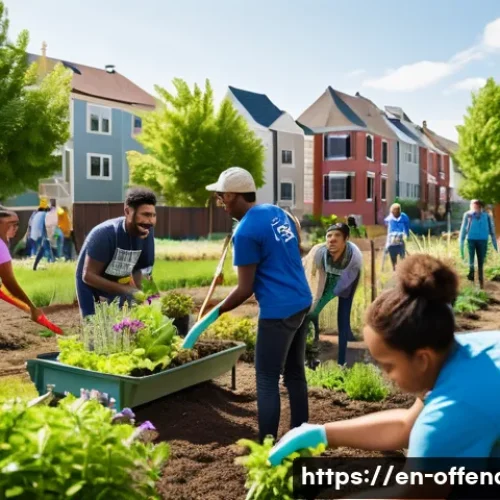
Many former offenders find that volunteering offers a meaningful way to rebuild trust with their communities. By contributing their time and skills to local organizations, they demonstrate responsibility and a genuine desire to give back.
I’ve seen firsthand how volunteering not only helps individuals develop new social networks but also changes the way neighbors perceive them—from suspicion to respect.
This gradual shift in perception can be pivotal for someone trying to reestablish their place in society. Moreover, volunteering often provides a structured environment where former offenders can practice reliability and teamwork, key traits valued by employers.
Peer Support Groups and Their Role in Accountability
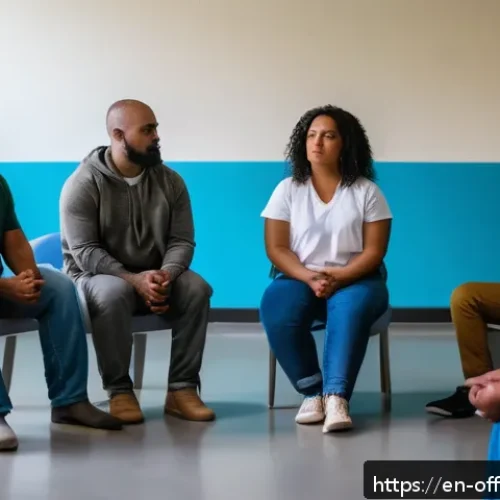
Peer support groups create a safe space where individuals with similar experiences can share challenges and victories. I remember attending a session where the openness and empathy between members were palpable.
These groups foster accountability by encouraging members to set goals and check in on progress regularly. This sense of responsibility toward one another often translates into better personal discipline and a stronger commitment to positive change.
Such networks also reduce feelings of isolation, which can be a major hurdle during reintegration.
Community Mentorship Programs That Make a Difference
Mentorship programs pair former offenders with community leaders or trained volunteers who provide guidance and encouragement. I’ve talked to mentors who describe their role as part coach, part friend—offering advice on everything from job searching to managing stress.
These relationships often become long-term, helping mentees navigate obstacles that might otherwise lead to recidivism. The personalized support mentors provide can be life-changing, especially when it comes to rebuilding confidence and envisioning a future beyond past mistakes.
Unlocking Opportunities Through Education and Skill Development
Vocational Training as a Pathway to Employment
Access to vocational training equips former offenders with tangible skills that employers seek. From carpentry and culinary arts to digital marketing, specialized training increases job prospects significantly.
I’ve witnessed people who once struggled to find work flourish after completing such programs, gaining not only technical skills but also a sense of pride in their abilities.
These courses often include job placement assistance, which bridges the gap between training and actual employment, making the transition smoother.
Higher Education and Its Transformative Power
Pursuing higher education can be a game-changer for many reintegrating individuals. Whether through community colleges or online degrees, education opens doors to careers that were previously out of reach.
I recall a story of a former offender who earned a degree in social work and later became an advocate for others in similar situations. The process of learning also instills discipline and critical thinking, which are essential for long-term success.
Furthermore, academic achievements help challenge stereotypes and rebuild self-worth.
Soft Skills Training: Beyond Technical Abilities
While hard skills are important, soft skills like communication, punctuality, and teamwork often make the difference in workplace success. Programs that focus on these areas prepare individuals to handle workplace dynamics and customer interactions confidently.
I’ve noticed that when former offenders master these interpersonal skills, they report feeling more comfortable and respected in their jobs. Employers, too, often highlight soft skills as critical when considering candidates with non-traditional backgrounds.
Navigating Employment Challenges and Breaking Barriers
Overcoming Employer Bias and Building Credibility
One of the toughest obstacles is the stigma employers attach to a criminal record. Many former offenders face rejection despite possessing the right skills.
However, I’ve seen cases where transparent communication and honesty during interviews can turn the tide. Some employers appreciate upfront discussions about past mistakes coupled with evidence of rehabilitation and growth.
Programs that educate employers about the benefits of hiring formerly incarcerated individuals also help break down these biases.
Workplace Support and Retention Strategies
Securing a job is just the first step; keeping it is another challenge altogether. I’ve observed that workplaces offering mentorship, flexible schedules, and ongoing support help former offenders stay employed longer.
These accommodations acknowledge the unique hurdles they may face, such as court appointments or counseling sessions. In one instance, a company’s willingness to provide such flexibility resulted in an employee’s impressive five-year tenure, underscoring the value of supportive work environments.
Entrepreneurship as an Alternative Route
For some, traditional employment isn’t the best fit, and entrepreneurship offers a compelling alternative. Starting a small business allows individuals to create opportunities on their own terms.
I know people who have launched cleaning services, food trucks, or online shops after their release. Though the path is challenging, entrepreneurship builds confidence and financial independence.
Community resources, such as small business grants and training, can be crucial in turning these ventures into sustainable livelihoods.
Strengthening Family Bonds for Emotional Stability
Rebuilding Relationships with Loved Ones
Family support is often the cornerstone of successful reintegration. Reconnecting with family members after incarceration is a delicate process that requires patience and effort.
From my conversations with former offenders, the process includes open communication, counseling, and sometimes setting new boundaries. The emotional support gained from healthy family ties provides motivation and a sense of belonging, which are vital for staying on track.
Parenting and Role Modeling
Many former offenders focus on becoming better parents as part of their transformation. Taking responsibility and actively participating in their children’s lives helps shift their identity from past mistakes to positive influence.
I’ve seen fathers and mothers attend parenting classes or therapy sessions to improve their skills, which also strengthens the family unit. This renewed role often inspires a long-term commitment to change and resilience against setbacks.
Addressing Domestic Strain and Conflict Resolution
Reintegration can sometimes bring tensions within families, especially if trust was broken. Conflict resolution programs and family therapy sessions help address these issues constructively.
I recall a case where a family’s willingness to engage in counseling prevented estrangement and fostered mutual understanding. Learning healthy communication techniques and coping strategies makes a huge difference in maintaining stable relationships during challenging times.
Accessing Mental Health and Substance Abuse Support
The Importance of Tailored Counseling Services
Mental health challenges often underlie criminal behavior and complicate reintegration. Tailored counseling services provide former offenders with tools to manage anxiety, depression, or trauma.
I’ve encountered individuals who credit therapy with helping them regain control over their lives and avoid relapse into old patterns. Access to culturally competent and trauma-informed care is especially critical to address the unique experiences of this population.
Substance Abuse Treatment and Relapse Prevention
For many, overcoming addiction is a necessary step toward lasting change. Comprehensive treatment programs that combine medical care, counseling, and peer support have proven effective.
I’ve seen that ongoing aftercare and relapse prevention plans are essential, as the risk of returning to substance use can be high under stress. Supportive environments, including sober living homes and community groups, reinforce recovery and reduce the likelihood of recidivism.
Integrating Mental Health Services with Other Support Systems
Coordination between mental health providers, employers, and social services creates a safety net that enhances reintegration outcomes. From my experience, when these systems communicate effectively, individuals receive holistic care that addresses multiple needs simultaneously.
This integration reduces gaps in service and ensures that challenges in one area don’t derail progress in another, fostering a more stable transition back into society.
Policy Innovations That Empower Second Chances
Ban the Box and Fair Hiring Practices
Policies like “Ban the Box” have gained traction as a way to reduce employment barriers for former offenders. By removing the criminal history question from initial job applications, candidates get a fairer chance to showcase their skills.
I’ve talked to employers who support these policies because they encourage a focus on qualifications rather than stigma. These initiatives are a step toward systemic change that benefits both individuals and communities.
Expungement and Record Sealing Programs
Legal reforms that allow for expungement or sealing of criminal records can dramatically improve reintegration prospects. I know people who, after successfully petitioning to clear their records, felt a renewed sense of hope and freedom.
These programs help reduce discrimination in housing, employment, and education. However, awareness and accessibility remain challenges that need ongoing attention from policymakers and advocates.
Supportive Housing and Social Services Integration
Stable housing is a foundation for all other aspects of reintegration. Innovative policies that provide affordable and supportive housing reduce homelessness and improve stability.
I’ve seen cases where combining housing with access to healthcare, job training, and counseling creates a comprehensive support system. This kind of wraparound service model addresses the root causes of recidivism and supports long-term success.
| Challenge | Support Strategy | Impact |
|---|---|---|
| Employment Barriers | Ban the Box policies, employer education, vocational training | Increased job opportunities and reduced discrimination |
| Social Stigma | Community engagement, mentorship, peer support groups | Improved trust and stronger social networks |
| Family Reconnection | Family counseling, parenting classes, conflict resolution | Healthier relationships and emotional stability |
| Mental Health & Substance Abuse | Tailored counseling, integrated care, relapse prevention | Better coping mechanisms and reduced recidivism |
| Housing Instability | Supportive housing programs, social service integration | Stable living conditions and comprehensive support |
Conclusion
Reintegrating into society after incarceration is a complex journey that requires support on multiple levels. Building trust, gaining new skills, overcoming employment barriers, and strengthening family ties all play crucial roles. When communities, policymakers, and individuals work together, the path toward lasting change becomes clearer and more achievable. This holistic approach not only benefits those returning but also enriches society as a whole.
Useful Information to Keep in Mind
1. Volunteering offers a powerful way to rebuild trust and demonstrate commitment to positive change.
2. Peer support and mentorship foster accountability and provide essential emotional guidance.
3. Vocational and soft skills training significantly improve job prospects and workplace success.
4. Policies like “Ban the Box” and expungement programs help reduce stigma and open doors to employment.
5. Access to mental health care, substance abuse treatment, and stable housing are foundational for sustainable reintegration.
Key Takeaways
Successful reintegration depends on a comprehensive support system that addresses social, educational, emotional, and legal challenges. Community involvement and personalized guidance rebuild trust and confidence, while skill development enhances employability. Combating stigma through fair hiring policies and providing stable housing and mental health services create a solid foundation for long-term stability. Ultimately, a collaborative and empathetic approach empowers individuals to transform their lives and contribute positively to society.
Frequently Asked Questions (FAQ) 📖
Q: What are the biggest challenges former offenders face when reintegrating into society?
A: One of the toughest hurdles is overcoming the stigma attached to having a criminal record. Many employers, landlords, and even community members can be hesitant or outright refuse to engage with someone who has a past conviction.
This makes securing stable employment and housing incredibly difficult, which are both essential for rebuilding a stable life. Additionally, former offenders often struggle with regaining trust from family and friends, which can leave them feeling isolated.
Without a strong support network, the risk of falling back into old patterns increases significantly.
Q: How can education and support systems improve the chances of successful reintegration?
A: Education plays a crucial role in opening new doors for former offenders. Vocational training, GED programs, or college courses can provide them with skills and confidence that employers value.
Support systems, such as mentoring programs, counseling, and community organizations, offer emotional support and practical guidance. From my experience working with reentry programs, those who have access to both education and a reliable support network tend to navigate the transition more smoothly and maintain long-term success.
It’s not just about finding a job but also about rebuilding self-esteem and a sense of purpose.
Q: Why is it important for society to give second chances to former offenders?
A: Offering second chances isn’t just a matter of compassion—it’s smart social policy. When former offenders are supported and reintegrated successfully, they’re far less likely to reoffend, which benefits everyone by reducing crime rates and lowering incarceration costs.
Beyond statistics, these individuals often have untapped potential and unique perspectives that can enrich communities and workplaces. Personally, I’ve seen how second chances transform lives, turning people who once felt hopeless into productive, contributing members of society.
Embracing rehabilitation over punishment ultimately fosters safer, healthier communities.