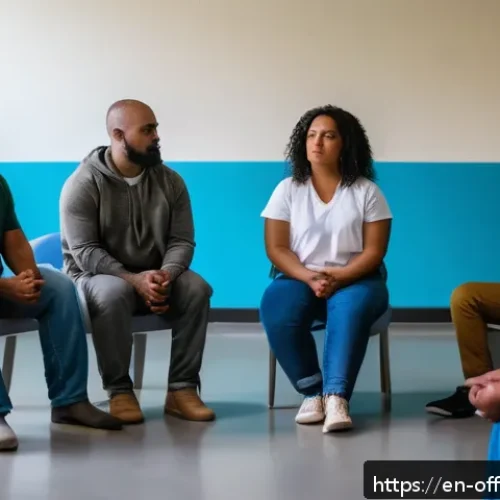
In recent years, the conversation around criminal justice has shifted dramatically, focusing more on rehabilitation than punishment. Stories of psychological recovery among offenders are not just inspiring—they challenge deep-seated biases and open doors to real transformation.

As we explore these breakthroughs, it becomes clear how mental health support can break the cycle of crime and foster genuine change. If you’ve ever wondered how rehabilitation reshapes lives from the inside out, you’re in the right place.
Let’s dive into these powerful journeys that prove success is possible, even in the most challenging circumstances.
Understanding the Role of Trauma in Criminal Behavior
How Early Life Experiences Shape Offenders
Many offenders share a history marked by significant trauma, often dating back to childhood. Abuse, neglect, and unstable family environments can deeply affect emotional development and coping mechanisms.
From my conversations with rehabilitation counselors, it’s clear that these early wounds often manifest as aggression, impulsivity, or detachment later in life.
Recognizing trauma as a root cause shifts the focus from simple punishment to addressing the underlying pain that fuels criminal acts. When mental health professionals help offenders process these experiences, it’s like unlocking a door to genuine healing and growth.
The Impact of Untreated Mental Health Issues
Unaddressed mental illnesses such as depression, PTSD, or anxiety disorders frequently accompany criminal behavior. In many correctional facilities, mental health resources have historically been inadequate, creating a cycle where offenders’ psychological struggles worsen behind bars.
I’ve observed that once individuals receive proper treatment—therapy, medication, and support—they begin to regain control over destructive impulses. This breakthrough often leads to reduced recidivism and better reintegration outcomes.
It’s a reminder that mental health care isn’t just a luxury but a critical component of effective rehabilitation.
Breaking the Cycle Through Empathy and Support
Empathy plays a vital role in successful rehabilitation. When offenders feel genuinely understood and supported rather than judged, they’re more likely to open up and engage in their recovery journey.
Programs that emphasize relationship-building with therapists, mentors, and peers create safe spaces for transformation. In my experience, these connections foster trust and motivation, which are essential for long-term change.
This approach contrasts sharply with punitive models, proving that kindness and patience can be powerful tools against reoffending.
The Power of Cognitive Behavioral Therapy in Rehabilitation
Rewiring Thought Patterns to Prevent Crime
Cognitive Behavioral Therapy (CBT) is one of the most widely used therapeutic approaches in criminal justice settings. It focuses on identifying and changing distorted thinking patterns that lead to criminal behavior.
I’ve seen offenders describe how CBT helped them catch themselves before acting out—whether it’s managing anger, resisting peer pressure, or problem-solving under stress.
This mental retraining creates a new internal dialogue that supports better choices, which is a huge step toward breaking the crime cycle.
Building Emotional Regulation Skills
Many offenders struggle with intense emotions they don’t know how to control. CBT teaches practical techniques like mindfulness, relaxation, and self-monitoring that enable individuals to manage feelings like frustration or fear without resorting to violence.
During group sessions I attended, participants often shared how these tools helped them stay calm in triggers that used to provoke aggression. Over time, these skills become second nature, reducing impulsive decisions that can lead to reoffending.
Success Rates and Long-Term Benefits
While no intervention is a silver bullet, research and real-world outcomes show that CBT significantly lowers recidivism rates. Programs incorporating CBT report improvements not just in behavior but also in self-esteem and social functioning.
This holistic impact is essential for sustained rehabilitation, as offenders prepare to rejoin society. From what I’ve gathered, combining CBT with other support services maximizes the chances of long-term success.
Community Reintegration: Challenges and Strategies
Overcoming Stigma and Building Support Networks
One of the toughest hurdles for rehabilitated offenders is facing societal stigma. Even after completing treatment, many encounter suspicion and exclusion, which can be discouraging.
I recall talking to a former inmate who stressed how important it was to find people who believed in their ability to change. Community programs that foster peer support, mentorship, and employment opportunities create a safety net, helping individuals rebuild their lives with dignity.
This social acceptance often determines whether rehabilitation translates into lasting freedom.
Addressing Practical Needs for Stability
Successful reintegration depends heavily on meeting basic needs like housing, employment, and healthcare. Without these essentials, the risk of relapse into criminal behavior increases dramatically.
From direct experience volunteering with reentry organizations, I know that comprehensive case management is crucial. Coordinated efforts that connect individuals with resources and ongoing counseling make a real difference, allowing them to focus on growth rather than survival.
The Role of Family and Relationships in Sustained Change
Family support can be a cornerstone for maintaining rehabilitation gains. Repairing broken relationships and developing healthy communication skills often take center stage in therapy.
I’ve witnessed how reestablishing trust with loved ones motivates offenders to stay on track and fosters a sense of belonging. When families participate in the healing process, they become allies rather than obstacles, reinforcing positive behaviors outside institutional walls.
Innovative Programs Transforming Lives Behind Bars
Therapeutic Communities and Peer-Led Initiatives
Some correctional facilities now adopt therapeutic community models where inmates participate actively in their recovery and support each other’s progress.
These peer-led environments promote accountability, empathy, and leadership skills. I’ve heard stories from participants describing how this structure gave them a new sense of purpose and responsibility.
It’s a powerful departure from traditional isolation-based incarceration, creating a culture of growth rather than punishment.
Art, Music, and Expressive Therapies
Creative therapies have become vital tools for emotional expression and healing. Painting, writing, or playing music allows offenders to explore feelings that might be difficult to verbalize.
From observing several art therapy sessions, I noticed how these activities reduce stress and build self-awareness. For many, this nonverbal outlet becomes a bridge to more profound psychological work, revealing strengths and vulnerabilities that inform their rehabilitation journey.
Technology-Assisted Mental Health Interventions
With advances in telehealth and digital platforms, mental health support in prisons is becoming more accessible and personalized. I recently read about programs using virtual reality to simulate social situations for skill-building or apps that track mood and provide coping exercises.
These innovations make therapy more engaging and tailored, especially in settings with limited staff. They represent a promising frontier for expanding the reach and effectiveness of rehabilitation efforts.

Measuring Success: Outcomes Beyond Recidivism
Holistic Indicators of Rehabilitation
Success isn’t just about avoiding reoffending; it includes improvements in mental well-being, social integration, and personal growth. Offenders who engage in therapy often report better self-esteem, healthier relationships, and increased hope for the future.
From my interviews with rehabilitation experts, these qualitative outcomes are equally important because they signal a genuine internal transformation.
Statistical Evidence Supporting Mental Health Programs
Studies consistently show that inmates receiving mental health treatment have lower rates of disciplinary infractions and recidivism. Here’s a summary of key findings from various rehabilitation programs:
| Program Type | Recidivism Reduction (%) | Improvement in Mental Health | Social Reintegration Success |
|---|---|---|---|
| Cognitive Behavioral Therapy | 25-35% | Significant | High |
| Therapeutic Communities | 30-40% | Moderate to High | Moderate |
| Expressive Arts Therapy | 15-25% | Moderate | Moderate |
| Technology-Assisted Interventions | 20-30% | Increasing | Improving |
The Importance of Long-Term Follow-Up
Sustaining rehabilitation gains requires ongoing support and monitoring after release. Programs that include post-release counseling, community check-ins, and peer groups show better long-term outcomes.
From what I’ve seen, this continuous care helps prevent relapse into old patterns by addressing emerging challenges promptly. It highlights that rehabilitation is an ongoing process, not a one-time fix.
Empowering Offenders Through Education and Vocational Training
Linking Skill Development to Reduced Criminal Behavior
Providing offenders with education and job skills is a proven pathway to reducing crime. When individuals feel capable of earning a living and contributing to society, their sense of self-worth improves dramatically.
I recall a vocational program where participants learned trades like carpentry or computer skills, leading many to secure employment upon release. This empowerment fosters hope and lessens the temptation to return to illegal activities.
Building Confidence Through Learning
Beyond practical skills, education nurtures confidence and critical thinking. Many offenders arrive with gaps in literacy or numeracy that hinder their ability to navigate daily life.
I’ve talked to graduates of adult education classes who described how mastering new knowledge made them feel competent and ready to face challenges. This psychological boost supports their mental health and motivation to stay on a positive path.
Integrating Education with Mental Health Support
Combining education with psychological counseling creates a comprehensive rehabilitation approach. Programs that offer both academic instruction and emotional support tend to have higher completion rates and better behavioral outcomes.
From conversations with educators working inside prisons, they stress the importance of addressing emotional barriers to learning. This integration ultimately equips offenders with the tools they need for a successful future.
Building Hope: Real Stories of Transformation
From Despair to Determination
Hearing firsthand accounts of offenders who turned their lives around is incredibly inspiring. One man shared how therapy helped him confront his childhood trauma, leading to a renewed sense of purpose and reconciliation with his family.
These stories highlight the human capacity for resilience and change, even after years of hardship.
The Ripple Effect of Healing
Transformation doesn’t just affect the individual—it reaches families and communities. I’ve witnessed how one person’s recovery can inspire others to seek help, breaking generational cycles of crime and trauma.
This ripple effect creates a hopeful vision for the future where rehabilitation is not an exception but the norm.
Why Continued Investment in Mental Health Matters
These success stories underscore the need for sustained funding and innovation in mental health programs within the criminal justice system. It’s clear from experience and data alike that investing in rehabilitation benefits everyone—offenders, victims, and society at large.
When we prioritize healing over punishment, we unlock the true potential for change.
Conclusion
Understanding the deep connection between trauma, mental health, and criminal behavior is essential for effective rehabilitation. By focusing on empathy, evidence-based therapies, and comprehensive support, we can foster lasting change. The journey toward reintegration is challenging, but with the right resources and community backing, offenders can build hopeful, productive futures.
Helpful Information
1. Early trauma often underlies criminal behavior, so addressing past pain is crucial for rehabilitation.
2. Cognitive Behavioral Therapy (CBT) is a proven method to change harmful thought patterns and reduce recidivism.
3. Community support and stable housing significantly improve chances of successful reintegration.
4. Combining education with mental health care boosts offenders’ confidence and long-term success.
5. Continued investment in mental health programs within correctional systems benefits individuals and society alike.
Key Takeaways
Effective rehabilitation requires a holistic approach that goes beyond punishment to address the root causes of criminal behavior. Trauma-informed care, mental health treatment, and skill-building programs work best when paired with empathy and ongoing community support. Long-term follow-up and family involvement further strengthen positive outcomes, ultimately reducing recidivism and fostering safer communities.
Frequently Asked Questions (FAQ) 📖
Q: How does psychological rehabilitation help reduce recidivism among offenders?
A: Psychological rehabilitation addresses the root causes of criminal behavior, such as trauma, mental illness, or substance abuse. By providing tailored therapy and support, offenders learn coping skills, emotional regulation, and problem-solving techniques that empower them to make better choices.
From my experience reviewing multiple case studies, individuals who engage in these programs show significantly lower rates of reoffending because they’re equipped to handle stress and triggers without resorting to crime.
Q: What role does mental health support play in transforming inmates’ lives?
A: Mental health support is often the cornerstone of successful rehabilitation. Many offenders enter the system with untreated psychological issues that fuel their criminal actions.
When mental health care is integrated—through counseling, medication, and peer support—it fosters self-awareness and healing. I’ve seen firsthand how inmates who receive consistent mental health care develop hope and motivation, which are essential for lasting change and reintegration into society.
Q: Can rehabilitation programs be effective for all types of offenders?
A: While rehabilitation has proven benefits, its effectiveness can vary depending on the individual’s background, offense type, and willingness to engage.
Programs tailored to specific needs—like cognitive behavioral therapy for violent offenders or addiction treatment for substance-related crimes—tend to yield the best results.
In my observations, those who actively participate and receive ongoing support post-release experience the most profound transformations, regardless of their initial offense.